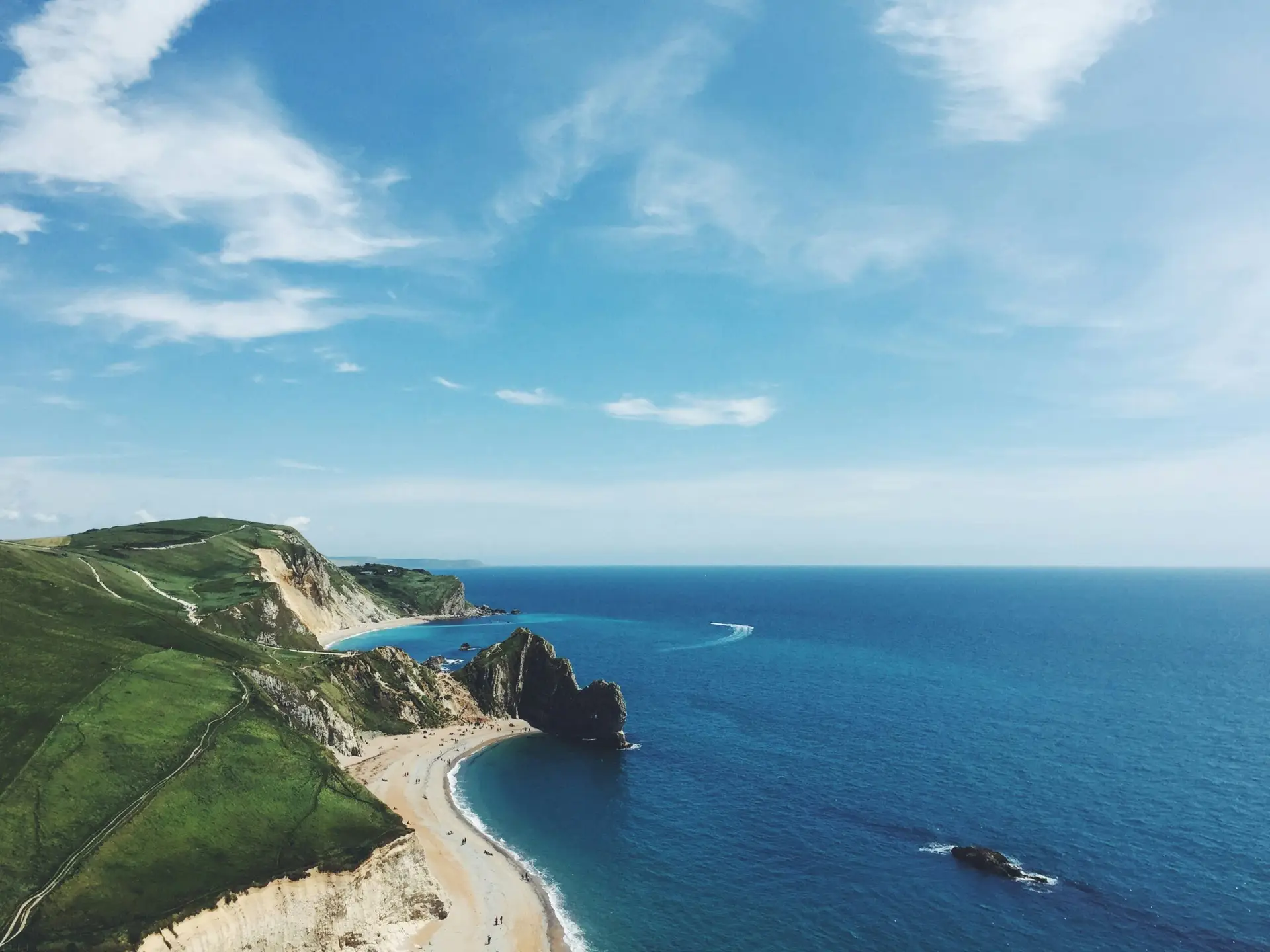
Blue spaces, beaches, riversides, lochs (lakes), canals, and coastlines, often feel expansive and inspiring.
They offer light, movement, sound, and a sense of openness that many other environments don’t. For some schools, these places feel like a gift. For others, they feel intimidating, distant, or difficult to manage.
Blue spaces tend to sit at the edge of outdoor learning practice, admired, but approached with caution.
That caution is not misplaced. But it does not mean these spaces have no place in school-based outdoor learning.
What makes blue spaces different
Water changes the tone of learning.
It introduces:
- movement and unpredictability
- heightened awareness of safety
- strong sensory input
- natural boundaries that must be respected
Because of this, blue spaces often demand clearer structure and firmer adult presence than other outdoor environments. They are not places for casual wandering, and that clarity can actually support learning rather than restrict it.
The learning blue spaces invite
Water-focused environments encourage children to pay attention.
Tides change. Water levels rise and fall. Surfaces shift. Sounds carry. Weather becomes more noticeable.
These spaces naturally support learning about:
- systems and cycles
- cause and effect
- erosion, movement, and change
- human impact and responsibility
- respect for boundaries
Blue spaces teach children that not all environments are fully controllable, and that awareness matters.
Managing fear without avoiding the space
For some adults, anxiety around water means blue spaces are avoided altogether.
While safety must always be prioritised, avoidance can also limit children’s opportunities to learn how to behave responsibly around water, a life skill in itself.
Outdoor learning in blue spaces works best when:
- boundaries are explicit and visible
- expectations are clearly explained
- adults model calm, attentive behaviour
- learning is structured rather than open-ended
This approach reduces risk while still allowing meaningful engagement.
A small but meaningful shift
One of the most helpful shifts schools can make with blue spaces is to treat water as something to learn with, not move towards.
Learning does not need to happen at the water’s edge. Observation from a distance, noticing patterns, listening to sound, and watching movement can all be deeply engaging.
This shift allows learning to take place without increasing risk or pressure.
What outdoor learning can actually look like in blue spaces
Beaches, riversides, and waterways support learning that combines observation, judgement, and awe.
Observing movement and change
Children can watch waves, currents, tides, or flow over time, noticing patterns and predicting what might happen next. This supports scientific thinking and attention.
Sound and sensory noticing
Blue spaces are rich auditory environments. Listening to water, wind, and wildlife supports regulation and focused attention.
Human impact studies
Noticing litter, erosion, pathways, or flood markers helps children understand how human activity interacts with natural systems.
Boundary and safety awareness
Discussing where it is safe to stand, why boundaries exist, and how conditions change supports judgement and decision-making without fear-based messaging.
Creative response
Blue spaces often inspire writing, drawing, photography, or quiet reflection. These responses allow children to process experience without needing to interact physically with water.
Why these spaces matter
Blue spaces offer children experiences of scale, movement, and power that are difficult to replicate elsewhere.
Handled thoughtfully, they help children develop respect, not just for water, but for environments that demand care and attention.
For schools, they offer richness without excess, provided expectations are clear and learning is well framed.
A final reminder
Blue spaces are not about freedom or adventure alone.
They are about awareness, restraint, and respect.
Outdoor learning in these environments teaches children how to be present, cautious, and curious at the same time, skills that matter far beyond the shoreline.
Next month, the series will conclude by pulling everything together: Rethinking What We Mean by ‘Outdoors’, returning to the core idea that outdoor learning is not about location, but about relationship, intention, and attention.