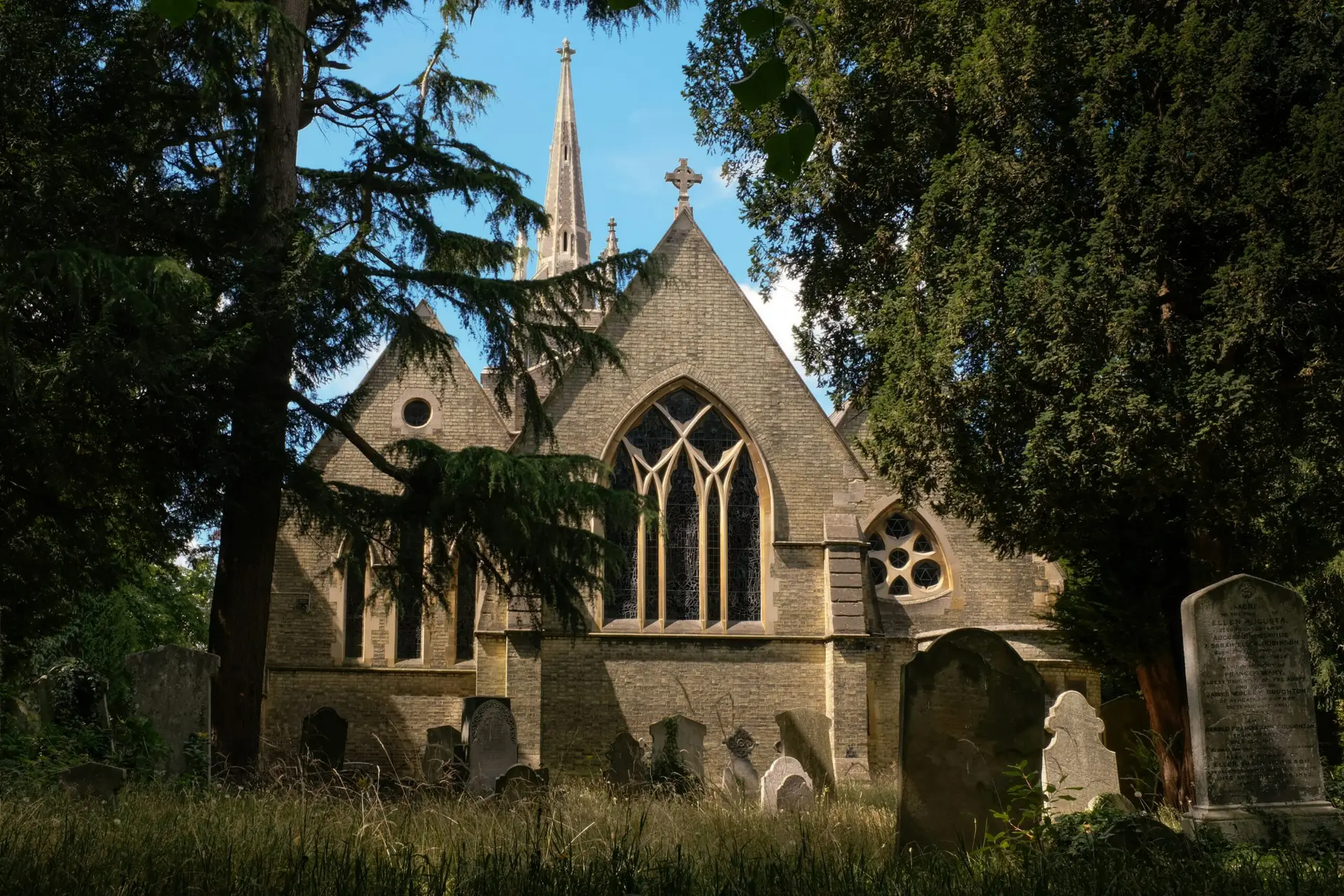
There are some outdoor spaces that schools rarely consider, not because they lack value, but because they feel emotionally complex.
Cemeteries, churchyards, memorial gardens, and other quiet spaces often sit just beyond the edge of what feels acceptable for learning. They can make adults uneasy. They raise questions about appropriateness, sensitivity, and how children might respond.
And yet, these spaces can support some of the most thoughtful, reflective outdoor learning of all.
Why quiet spaces make us pause
Part of the hesitation around cemeteries and churchyards comes from a fear of getting it wrong.
These are places associated with grief, remembrance, and respect. Adults worry about behaviour, noise, and misunderstanding. There is often an assumption that children will either not understand the significance of the space, or that it will be too heavy for them.
But children are often far more capable of handling quiet, meaningful environments than we give them credit for, particularly when expectations are clear and adults are calm and confident in how the space is framed.
What quiet spaces offer that others don’t
Cemeteries and churchyards are usually:
- calm and low-arousal
- rich in history and story
- biodiverse in subtle ways
- structured but not busy
- designed for reflection rather than activity
For learners who find high-energy environments overwhelming, these spaces can feel grounding. They support a slower pace of learning, one that allows children to listen, observe, and think.
They are particularly well suited to learning that values:
- empathy and respect
- memory and continuity
- symbolism and meaning
- stillness and attention
The importance of framing
Learning in quiet spaces works best when adults are explicit about why they are there and how the space is to be treated.
Children need:
- a clear understanding that this is a shared, respectful space
- reassurance that curiosity is allowed
- guidance on appropriate behaviour without fear or solemnity
When this framing is done well, children often rise to the occasion. The space itself supports calm, rather than needing to be constantly managed.
A small but meaningful shift
One of the most helpful shifts schools can make with quiet spaces is to value stillness as a form of engagement, not a lack of it.
In many learning environments, movement and noise are taken as signs of participation. In cemeteries and churchyards, learning often looks quieter.
This might mean:
- standing or sitting to observe rather than moving constantly
- listening more than speaking
- allowing pauses without rushing to fill them
This shift opens up learning for children who thrive in reflective, low-stimulation contexts.
What outdoor learning can actually look like in quiet spaces
Quiet spaces lend themselves to learning that values depth, reflection, and care.
Observation and noticing
Children can notice symbols, materials, patterns, and signs of age or weathering. This supports careful observation and attention without requiring activity-heavy tasks.
History and story
Names, dates, inscriptions, and memorials provide entry points into local history, family stories, and changes over time — often with powerful relevance. If you are in Scotland, they may be a portal to the Archaeology Scotland’s Heritage Hero Awards.
Nature in managed spaces
Churchyards and cemeteries are often rich habitats for plants, insects, and birds. Studying biodiversity in these settings helps children understand how nature persists alongside human activity.
Reflection and discussion
These spaces are well suited to gentle discussion about memory, care, and what it means to look after shared places. This can support wellbeing, ethics, and social understanding.
Creative response
Drawing, writing, or quiet creative work allows children to respond to what they notice without turning the space into a performance.
Why these spaces matter
Quiet spaces remind us that outdoor learning does not need to be loud, active, or expansive to be meaningful.
They support learning that is humane, learning that makes space for thought, respect, and emotional literacy.
For some children, these environments offer a rare opportunity to experience calm in a world that often moves too fast.
A final reminder
Cemeteries and churchyards are not spaces to fear or avoid, but they do ask for care.
When approached thoughtfully, they teach children how to move respectfully through the world, how to attend to history and memory, and how to hold quiet alongside curiosity.
Outdoor learning is not always about doing more.
Sometimes, it is about slowing down enough to notice what is already there.