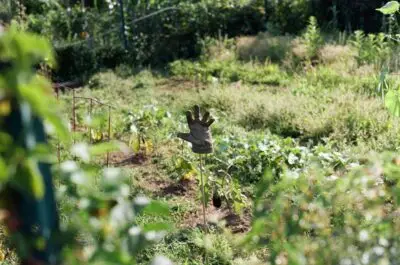
It’s 9am and the temperature outdoors is already in the low twenties (70°f) and due to be warmer. It is one of those rare Scottish summer days, although they are becoming increasingly common. While it is hot here, schools further south are facing temperatures of up to 35°C and, just across the Channel, some countries are seeing temperatures approaching 45°C. The Met Office projects that hot spells in the UK are likely to become more frequent and more intense as our climate changes.
In the UK, we are less accustomed to prolonged heat, our buildings tend not to have air con, in fact, they are often designed to keep the heat in. This brings challenges around hydration and fatigue. Yet taking classes outside all day may not be the answer either. We may need to adapt activities, timings and expectations to ensure we stay safe. In this blog we explore safety, fires, caring for nature in the heat and curricular ideas.
Quick Roundup
If you are short on time, read this section. The rest of this blog goes into more details.
Outdoor learning in hot weather requires adapting activities and strict safety measures, such as avoiding vigorous exercise between 11 AM and 3 PM, ensuring constant access to water, maximizing shade, and wearing light, loose clothing.
Key Safety Measures
– Hydration: Encourage drinking water every 15–20 minutes. Avoid sugary or caffeinated drinks.
– Sun Protection: Apply SPF 30+ sunscreen 20 minutes before going outside and reapply every two hours.
– Clothing: Require wide-brimmed sun hats and UV blocking sunglasses.
– Activity Adjustment: Swap strenuous physical activities for sedentary or calm tasks.
– Check the UV Index: Check the UV Index before heading outdoors. A UV Index of 3 or above means sun protection should be used.
– Take frequent, supervised breaks in shaded areas.
If staff or children have diabetes, be aware that hot weather can affect blood glucose levels and make diabetes more difficult to manage. Additional monitoring, hydration and adherence to individual healthcare plans may be required.
Outdoor Working in the heat
Reschedule work to cooler times of the day.
Provide more frequent rest breaks and introduce shading to rest areas.
Provide free access to cool drinking water.
Introduce shading in areas where people are working.
Make sure workers can recognise the early symptoms of heat stress.
What counts as “hot”?
So, what do we actually consider as hot? Well, in the UK the first red warning for heat was issued in 2022. In legislation, there is no single UK-wide temperature at which schools must stop outdoor activities. Indeed, there is no indoor maximum temperature limit either.
However, many outdoor learning practitioners start adjusting provision when temperatures reach:
- 20–24°C – Increase water breaks and access to shade.
- 25–29°C – Reduce vigorous activity, seek shade, shorten sessions.
- 30°C+ – Consider whether outdoor learning is still the best option for some groups and move to very low-energy, shaded activities.
For Scotland, it’s worth acknowledging that 25°C can have a similar impact to much higher temperatures elsewhere in the country because children, staff and buildings are often less adapted to prolonged heat.
Sun Safe Schools guidance
The first thing I encourage schools to do is to sign up with the UK’s Sun Safe Schools programme which promotes the “Slip, Slop, Slap, Seek, Slide” message:
- Slip on protective clothing.
- Slop on sunscreen.
- Slap on a hat.
- Seek shade.
- Slide on sunglasses where appropriate.
At the time of updating this blog, June 2026, they are offering schools who complete or renew their accreditation a free 1l sunscreen cartridge & dispenser for their school! In addition to this, they have a range of resources for all stages, assembly packs and more, to ensure you can deliver sun safe education and become a sun safe school.
They also provide clear guidance for schools and care givers regarding use of sunscreen and the application of it. I know from looking at the many teaching forums that this is often a discussion that arises year on year. Sun Safe Schools message is simple, that sunscreen is a vital part of children’s daily sun safety routines and an essential tool in safeguarding children’s health.
UV can matter more than temperature
Often in the UK we focus on temperature, but being aware of UV levels is just as important. A cloudy 19°C day with a UV index of 6 can pose a greater sunburn risk than a 25°C day with a lower UV level.
In the year 2022-23 over 200 people were admitted to hospital for sunburn including 89 children, and 25 babies under the age of one. Research shows that having five or more sunburns doubles your risk of getting melanoma skin cancer and even one blistering sunburn in childhood or adolescence more than doubles your chances of developing melanoma later in life. Melanoma is the deadliest form of skin cancer and it’s on the rise in the UK. 1 in 36 men and 1 in 47 women in the UK will now be diagnosed with melanoma skin cancer in their lifetime and melanoma is the most frequent cancer among females aged 20-24 years.
But sunscreen really can make a difference. 86% of melanomas are preventable by protecting your skin from harmful rays. Visit Melanoma Focus for advice about sunscreens.
If you are heading outdoors, even on cloudy days, be sure to check your UV index. For most of the UK, a UV Index of 3 or above is considered high enough that sun protection should be used. The Met Office app makes this easy – it is all on one screen. I always make sure to do it, even on cloudy days, as I have ended up with mild sunburn on days where there was barely a shadow to be seen.
Government and NHS advice
So, what should we do to keep everyone safe outdoors? The NHS advice is simple;
- Drink plenty of fluids.
- Avoid intense physical activity during the hottest part of the day.
- Stay in the shade where possible.
- Look out for signs of heat exhaustion.
Common symptoms of heat exhaustion include:
- Headache
- Dizziness
- Excessive sweating
- Nausea
- Tiredness
Remember that staff may be outdoors for significantly longer periods than children and may therefore require additional shade, hydration and sun protection measures.
As an employer, I feel it is my responsibility to ensure that my team have access to high quality sunscreen. We keep bottles in our kit bags and vehicles. I also ask staff to provide receipts for sunscreen they buy themselves (this allows them to put it on before attending work). In addition to this, I actively remind and encourage staff to put sunscreen on. I regularly replace opened bottles in line with manufacturer guidance, every six to twelve months, as opened bottles do expire. I consider sun safety the same as I would any other safe guarding risk for my team.
Hot weather can make diabetes more difficult to manage and is something that schools, outdoor learning practitioners and families should be aware of when spending extended periods outdoors.
Additional Considerations for Children and Adults with Diabetes
Heat can affect blood glucose levels in several ways. Dehydration can cause blood glucose levels to rise, while warmer temperatures can also increase the rate at which insulin is absorbed by the body, potentially increasing the risk of hypos (hypoglycaemia). As a result, some people may find their blood glucose levels become less predictable during periods of hot weather.
Children and adults with diabetes may therefore need additional monitoring when taking part in outdoor learning activities during warmer weather. Any individual healthcare plans should always be followed.
Practical considerations
- Encourage regular hydration and ensure easy access to drinking water throughout the day.
- Be aware that symptoms of heat exhaustion can sometimes resemble symptoms of unstable blood glucose levels. If there is any uncertainty, blood glucose levels should be checked in line with the individual’s healthcare plan.
- Ensure blood glucose testing equipment, hypo treatments and other essential supplies are readily available when outdoors.
- If blood glucose meters, test strips, continuous glucose monitors (CGMs) or insulin pumps are used, care should be taken to keep them out of direct sunlight and excessive heat.
- Insulin should be stored according to manufacturer guidance and protected from high temperatures.
- Staff supporting children with diabetes should be familiar with the signs of both hypoglycaemia and hyperglycaemia and know how to respond appropriately.
Foot care and sun safety
For some people living with diabetes, particularly those experiencing neuropathy, hot surfaces can pose an additional risk. Care should be taken to wear appropriate footwear outdoors and to avoid walking barefoot on hot ground, sand or artificial surfaces.
A positive message
Having diabetes should not prevent children or adults from enjoying outdoor learning opportunities. With appropriate planning, hydration, monitoring and support, people with diabetes can safely participate in outdoor activities and enjoy all the benefits that spending time outdoors can bring. You can get more information at https://www.diabetes.org.uk/about-diabetes/looking-after-diabetes/hot-weather
Climate-ready school grounds
Learning Through Landscapes developed in collaborative between Architecture & Design Scotland (A&DS) and Learning through Landscapes (LtL). This has a great series of lessons and helps you and the children consider
- Where is the shade in your playground?
- Which surfaces become hottest?
- Do children have access to cool, green spaces?
- How could pupils redesign the playground for hotter summers?
This naturally connects to outdoor learning, pupil voice and sustainability projects and you can find all the resources here – https://ltl.org.uk/project/climate-ready-school-grounds/
Hot weather can be an opportunity to teach adaptation.
How do plants cope with drought? Why do animals seek shade? Why are some playgrounds cooler than others? What might our school grounds need to look like if summers continue to get warmer?
That turns the weather from a barrier into the curriculum itself.
Outdoor Learning in Hot Weather
When we take children outdoors in hot weather we do need to adapt how we do things and what we do.
- Outdoor learning does not need to mean running around a field. How many of us have headed out to play rounders when the sun is shining? This is ok, but if it is exceptionally warm, we likely want less running around, to reduce the risk of heat exhaustion.
- Use shaded areas, outdoor classrooms, trees, canopies, or even open windows and doorways. We can also remember to close the blinds in the classroom as this can help reduce some of the heat in the classroom.
- Slow, reflective activities often work better than energetic games in hot weather. And, the summer term really does provide great opportunities for reflection.
Fire safety and outdoor cooking
Another question I often see posed online is what temperate do forest schools, and other settings, stop having campfires. We have written a blog about this previously, which you can read here. My line is quite simple, in fire season, we do not have fires. While we know how to safely have a campfire and to ensure it is fully out, we also need to consider what behaviours we are showing to the wider community – who may see you having a fire and decide it is ok for them to do so. Figures show almost 80% of large outdoor fires since 2010 were recorded between March and May and two thirds were started by either a discarded cigarette or an unattended campfire.
Of course, fire season in Scotland is generally March until May, and we are now in June. But, we do have a fire ban that runs in the Cairngorm National Park from 1 April to 30 September each year. Here, fires and barbecues are banned in the National Park under the Cairngorms National Park Fire Management Byelaw (2025). Breaking the byelaw could result in a fine of up to £500. Local authorities, landowners and fire services may also issue temporary guidance during periods of extreme heat or drought.
It is essential to know your local laws and follow your local fire brigade on social media or their website to know when there is an increased risk and consider fires from a wider perspective. When it is really hot, I would question whether a fire is appropriate or required at all, especially during very dry conditions. If using fire:
- Complete a specific fire risk assessment.
- Keep water nearby.
- Use designated fire areas.
- Monitor wind direction carefully.
- Extinguish completely before leaving.
Often storytelling, campfire songs, and crafts can replace an actual fire and create the same feelings.
The key message
The weather is not something that gets in the way of outdoor learning; it is part of the learning. Hot weather gives us opportunities to explore adaptation, resilience, climate, wellbeing and stewardship in real and meaningful ways.
Slow down, seek shade, drink water and adapt activities accordingly. Sometimes the richest outdoor learning experiences happen when we simply find a patch of shade and pay attention.
As our summers continue to change, learning how to adapt safely to hot weather will become an increasingly important life skill. Outdoor learning places us in the perfect position to help children develop that understanding.
Useful Links
Adventure activities during hot weather
Symptoms of heat exhaustion and heatstroke
Beat the heat: staying safe in hot weather
HSE Guidance for Workers
Watch the Weather – AdventureSmartUK
Sun Safe Schools
References
NHS Hospital Admitted Patient Care Activity, 2022-23: https://digital.nhs.uk/data-and-information/publications/statistical/hospital-admitted-patient-care-activity/2022-23. To view the sunburn data visit the spreadsheet Hospital Admitted Patient Care Activity, 2022-23:Diagnosis and the tab named Primary Diagnosis-3-charater. Row 858/L55. You can also view the extracted data for sunburn admissions here.
Pfahlberg A, Kölmel KF, Gefeller O. Timing of excessive ultraviolet radiation and melanoma.. Br J Dermatol 2001; 144:3:471-475.https://www.skincancer.org/skin-cancer-information/skin-cancer-facts/
Skin cancer facts, https://www.skincancer.org/risk-factors/sunburn/
Melanoma skin cancer is becoming more common in the UK with around 16,700 new cases every year (46 every day): https://www.cancerresearchuk.org/health-professional/cancer-statistics/statistics-by-cancer-type/melanoma-skin-cancer
https://digital.nhs.uk/ndrs/data/data-outputs/ctya-uk-cancer-statistics-report-2021/cancer-incidence
https://www.firescotland.gov.uk/news/spring-is-the-most-critical-period-for-wildfires-in-scotland
https://cairngorms.co.uk/our-work/wildfire-management
https://www.diabetes.org.uk/about-diabetes/looking-after-diabetes/hot-weather