In the previous post in this series, we explored what community involvement can look like when it is deliberately small-scale, optional and supportive rather than burdensome. One of the most consistent themes running through that discussion was this: some of the richest forms of community connection do not involve additional people at all.
This post focuses on community spaces, parks, paths, greens, cemeteries, shared land and other local outdoor places, and how they can support outdoor learning without introducing unnecessary complexity, risk or workload.
Community spaces are often already part of school life
For many schools, community spaces are not new or unfamiliar. They are the park at the end of the road, the patch of grass behind the shops, the woodland edge beside the housing estate, or the cemetery pupils pass every day on the way to school.
Because these places sit so close to daily life, they offer a powerful sense of relevance. Learning does not feel transported or artificial; it feels rooted. Children begin to recognise that learning happens in the same places they walk through, play in, and notice every day.
Using local spaces regularly, rather than as one-off trips, helps pupils build familiarity, confidence and respect for shared environments. Over time, these places become known and predictable, which often supports regulation, behaviour and engagement, particularly for pupils who find novelty or change challenging.
Sharing a place is not the same as sharing responsibility
One of the reasons community spaces work so well for outdoor learning is that they allow schools to extend learning without extending supervision structures.
In these models, the space is shared, but responsibility remains firmly with the school. Staff lead learning, manage behaviour, set boundaries and maintain safeguarding expectations exactly as they would elsewhere.
This distinction is important. It keeps accountability clear and avoids the sense that outdoor learning requires negotiation or permission beyond what is already established. Community spaces can be used confidently and routinely, without the added complexity that often comes with involving additional adults.
Parks, paths and greens as curriculum spaces
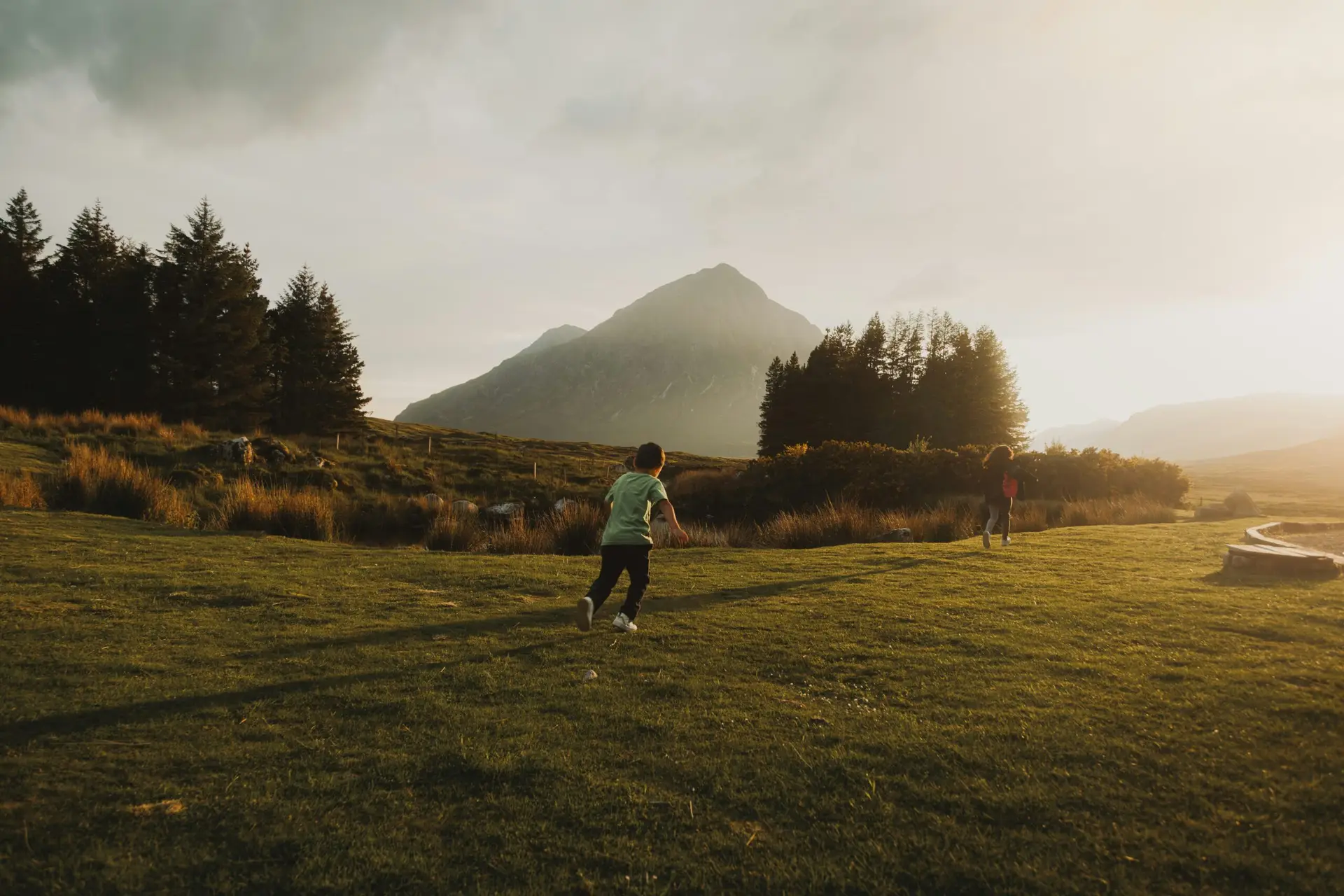
Local parks, paths and greens can support learning across ages and stages when they are revisited over time. Some schools get very lucky and local estates even give them a private space for outdoor learning – though this is rare!
Repeated visits allow pupils to notice seasonal change, track growth and decay, map familiar routes, observe wildlife, and reflect on how shared spaces are used by different people. These observations naturally lend themselves to discussion, writing, measuring, drawing, questioning and reflection.
Because staff retain control of the learning focus, activities can remain closely aligned to curriculum intentions, whether that is literacy, numeracy, health and wellbeing, science, social studies or expressive arts. The space becomes an outdoor classroom rather than a destination.
Cemeteries as places of learning and care
Cemeteries are sometimes overlooked as learning spaces, yet many schools use them thoughtfully and respectfully.
Approached with care, cemeteries can support learning about local history, biodiversity, symbolism, remembrance, and how we behave in shared spaces. They offer opportunities to talk about care, respect and responsibility in ways that are grounded and real, rather than abstract.
As with any community space, preparation matters. When visits are framed clearly around learning, and expectations are established in advance, they tend to feel calm, purposeful and appropriate for pupils.
Community gardens and shared land
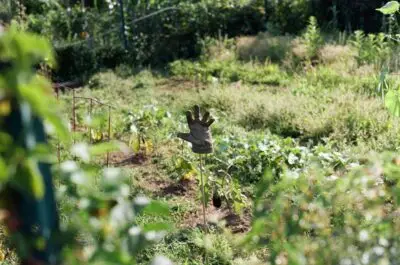
Community gardens, allotments and other shared growing spaces can offer rich learning opportunities without requiring external adults to be present.
Used as places to observe seasonal change, sketch plants, measure growth, compare habitats or reflect on food systems, these spaces support learning across science, numeracy and health and wellbeing. They also help pupils understand stewardship and shared responsibility in a practical, tangible way.
Where schools do have relationships with those who manage the space, keeping visits structured and time-limited helps protect boundaries on both sides and ensures that responsibility remains clear.
When staff are new to the area
It is also worth acknowledging that many teachers do not live in the communities they teach in. For some, local parks, paths or green spaces are just as unfamiliar as they are to pupils.
In a small number of schools we have worked with, this was addressed through a simple, voluntary after-school walking group for staff. Once a week, staff walked together through the local area. Over time, this supported health and wellbeing, built morale, and quietly increased confidence in using nearby spaces during the school day. I was first involved in this approach as a teacher and it really did work.
Perhaps just as importantly, it helped staff see what was already on their doorstep, routes, spaces and places that could be revisited with pupils without needing additional planning or permissions (most schools have parents sign off on using the local area for learning).
While this will not be appropriate or possible in every context, it highlights an often overlooked point: familiarity benefits staff as much as it benefits pupils.
Access, inclusion and equity
Not all community spaces feel neutral or welcoming to all families. Some places carry cultural, religious or historical weight. Others may feel unsafe or inaccessible depending on a child’s experiences.
Using community spaces intentionally means paying attention to these dynamics rather than assuming shared comfort. It also means listening carefully to how pupils respond and being prepared to adjust plans if needed.
Clear communication with families, predictable routines, and sensitivity to context all help ensure that learning remains inclusive rather than inadvertently excluding.
Building familiarity over time
One of the greatest strengths of using community spaces is the opportunity for repetition.
Returning to the same place across weeks and seasons allows pupils to build deep familiarity. They begin to notice small changes, develop a sense of ownership, and understand how their behaviour affects shared environments. Juliet Roberston talked about the impact a single tree can have during our podcast episode.
For staff, this repetition reduces planning load and increases confidence. The space becomes known territory rather than an unknown variable, making outdoor learning feel more manageable and embedded.
A Final Thought
Community spaces offer a way to connect learning to place without imposing additional pressure, roles or risk.
They allow outdoor learning to remain professional, purposeful and contained, while still helping pupils understand that learning does not stop at the school gate.
Next month, the next blog in this series explores skill-sharing events, and why one-off or seasonal involvement is often enough.
Love Outdoor Learning supports schools to develop outdoor learning that is ethical, sustainable and realistic — always shaped by professional judgement.
Read the Other Posts in this Series
Community Involvement in Outdoor Learning: The Realistic Case
Community Involvement in Outdoor Learning: What It Can Look Like (Without Overload)
Community Involvement in Outdoor Learning: Skill-Sharing Events – When One-Off Is Enough
Community Involvement in Outdoor Learning: Working with Local Businesses (Without Mission Drift)