In the earlier posts in this series, we have deliberately taken a slow approach to community involvement. We have started with boundaries, then explored what carefully chosen involvement can look like, and then spent time with community spaces as a way of rooting learning locally without importing additional pressure.
This post turns to skill-sharing events, moments where people do come into contact with pupils, and asks a deceptively simple question:
How much involvement is actually enough?
The problem with assuming “more” is better
When schools first consider skill-sharing, there is often an unspoken assumption that value increases with frequency: regular volunteers, weekly sessions, ongoing programmes. In reality, this is where many well-intentioned projects begin to strain.
Ongoing involvement increases coordination, safeguarding oversight, relationship management and emotional labour. It also raises expectations, from volunteers, families, and sometimes pupils, that can be difficult to sustain over time.
Skill-sharing does not need to be continuous to be meaningful. In many cases, one well-planned encounter is enough.
Skill-sharing as enrichment, not infrastructure
The most sustainable skill-sharing events are framed as enrichment rather than essential provision.
This might involve someone demonstrating a practical skill, sharing a lived experience, or introducing pupils to a way of working they would not normally encounter. Crucially, these moments sit alongside the curriculum, not underneath it. I have seen game keepers and other country workers come in for the day to talk about the jobs. I have also seen science fairs delivered by parents, who work in various scientific fields.
When skill-sharing becomes infrastructure, something learning depends on, it becomes fragile. When it is enrichment, it can be welcomed, evaluated, and brought to a close without loss.
Why one-off and seasonal events work
One-off or seasonal events offer several advantages.
They are easier to plan and easier to evaluate. Expectations can be clearly communicated, safeguarding arrangements are specific rather than ongoing, and staff can decide whether the experience is worth repeating.
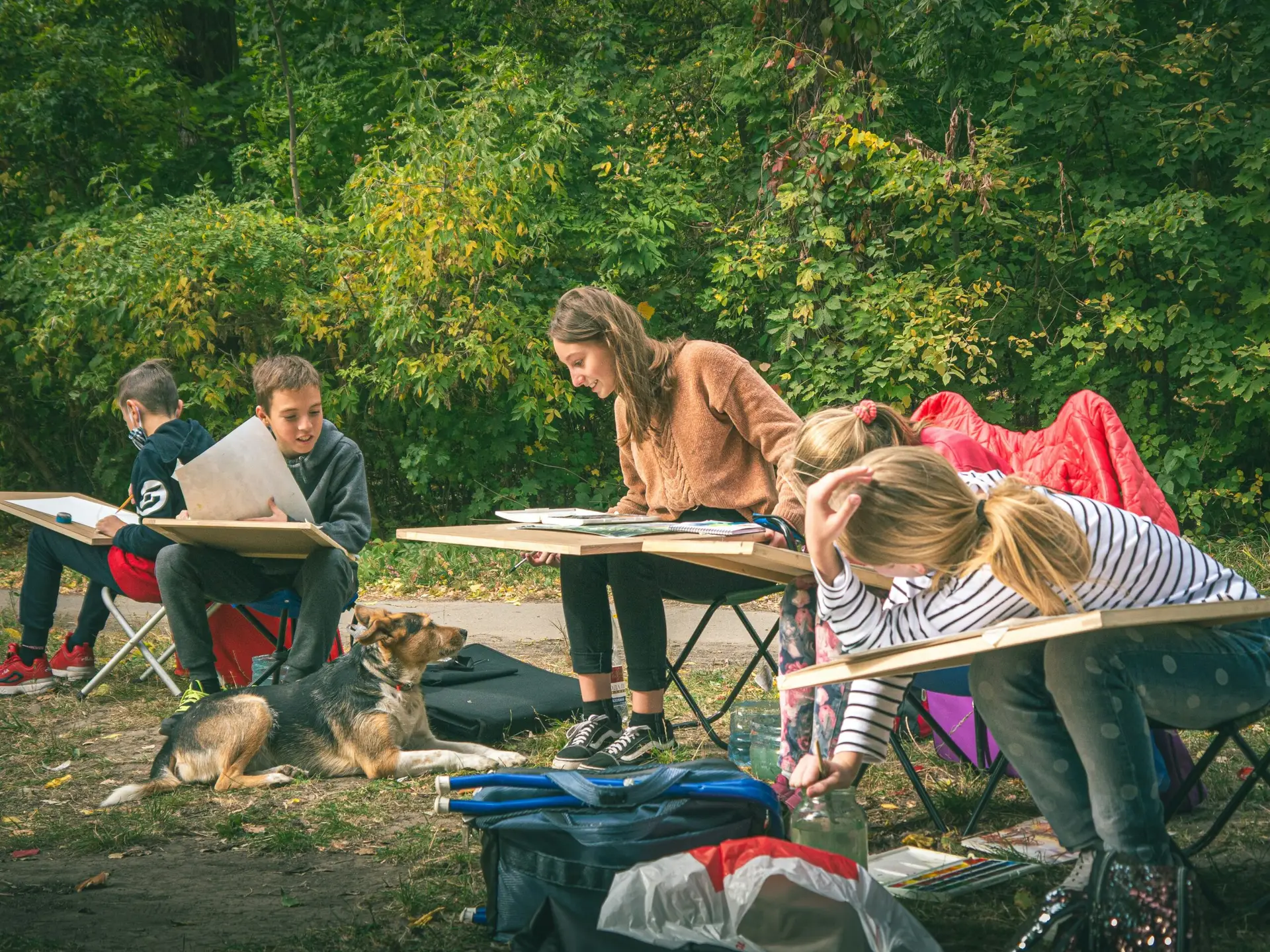
Seasonal events in particular often feel natural rather than forced. Planting days, harvest activities, winter crafts or outdoor art sessions align with rhythms pupils already recognise. They create a sense of occasion without creating dependency.
Importantly, they also allow schools to say “that was enough”.
The role of staff before, during and after
Skill-sharing events work best when staff involvement is active rather than passive.
Before the event, staff frame the learning purpose, set expectations, and decide what pupils should attend to. During the event, staff remain present, supporting pupils, maintaining boundaries, and modelling curiosity or critical thinking. Afterwards, staff help pupils reflect, question and integrate what they have experienced.
This framing ensures that learning remains intentional. The skill-sharer contributes content or experience, but teachers shape meaning.
Choosing whose skills are shared
Not all skills are equally appropriate for school contexts, and not all expertise translates well into learning.
When deciding whether to invite someone in, it is worth asking:
- What is the specific learning purpose here?
- Does this person’s contribution align with our values and curriculum?
- Is this likely to widen pupils’ perspectives rather than narrow them?
Skill-sharing is most powerful when it introduces possibility rather than authority, when pupils are invited to notice, wonder and reflect rather than accept information uncritically.
Safeguarding and clarity of role
Because skill-sharing events involve people, clarity matters.
Roles should be explicit and limited. Visitors are there to share a skill or experience, not to manage behaviour, lead learning, or supervise pupils independently. Safeguarding procedures should be clear and proportionate to the level of contact involved.
Time-limited events make this easier. Boundaries are clearer when everyone knows when involvement begins and ends. Think how well careers events come together, when the person is just there to share one, simple thing.
Ending well
One of the least discussed aspects of community involvement is how to stop.
With one-off or seasonal events, endings are built in. There is a natural close, an opportunity to thank contributors, and space to reflect on whether the experience should be repeated in future.
Ending well protects relationships and prevents quiet pressure to continue something that no longer serves the school.
A Final Thought
Skill-sharing events can add richness and perspective to outdoor learning, but they do not need to be frequent, embedded or ongoing to matter.
Often, one thoughtful encounter, carefully framed and professionally held, is enough to spark curiosity, widen horizons, and deepen understanding.
The next post in this series looks at working with local businesses, and how schools can do this without drifting away from their educational purpose.
Love Outdoor Learning supports schools to develop outdoor learning that is ethical, sustainable and realistic — always shaped by professional judgement.
Read the Other Posts in this Series
Community Involvement in Outdoor Learning: The Realistic Case
Community Involvement in Outdoor Learning: What It Can Look Like (Without Overload)
Community Involvement in Outdoor Learning: Using Community Spaces Safely and Intentionally
Community Involvement in Outdoor Learning: Working with Local Businesses (Without Mission Drift)