One of the key tenets of high-quality learning and teaching is breadth and depth. Yet across schools I see this interpreted in quite different ways. Some view breadth as covering lots of topics, while others think depth simply means spending longer on a subject. Both are partly right — but both miss the point. Breadth and depth are not about racing through content or endlessly repeating the same activity. They are about creating learning experiences that allow children to explore ideas widely and meaningfully. When we get this balance right, learning becomes richer, more connected, and far more memorable. But more importantly than that, when we get it truly right, we start to see where children have misunderstood a concept or only understand it at a procedural level rather than truly grasping it. They can do what they need to do to get the ticks in the books, and often, it is not until upper primary or high school that we see the problems. This is when the learning gets harder but there is not a solid foundation to hold it up. Let me give you an example from this morning.
Equality in Numbers and Voice
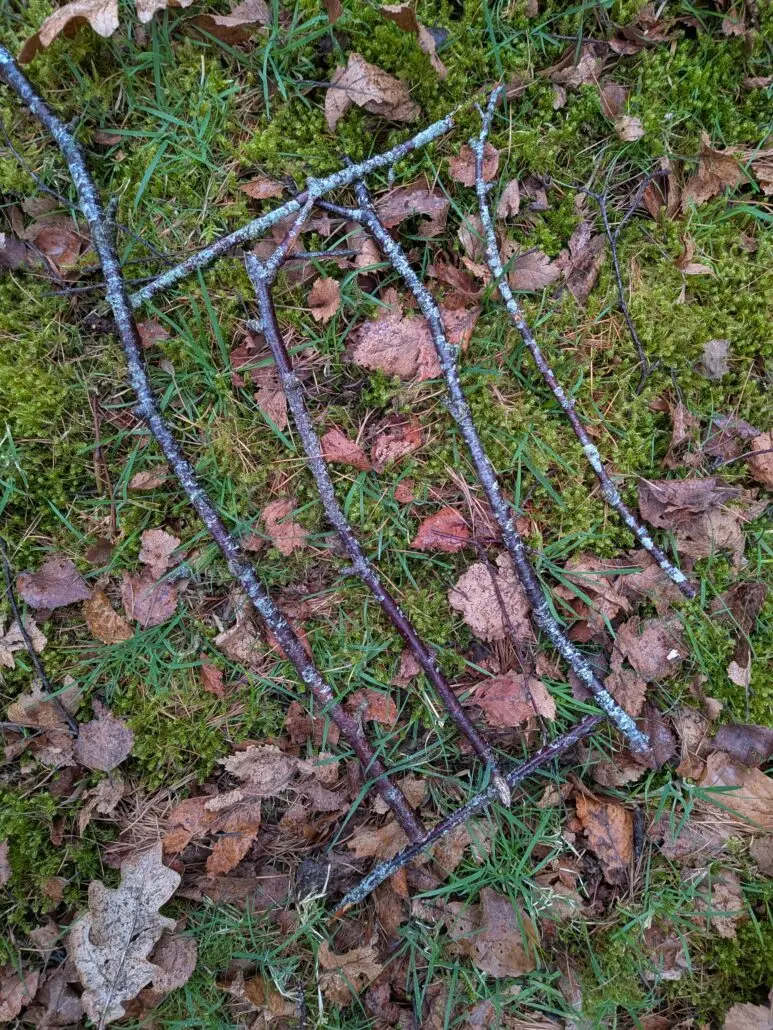
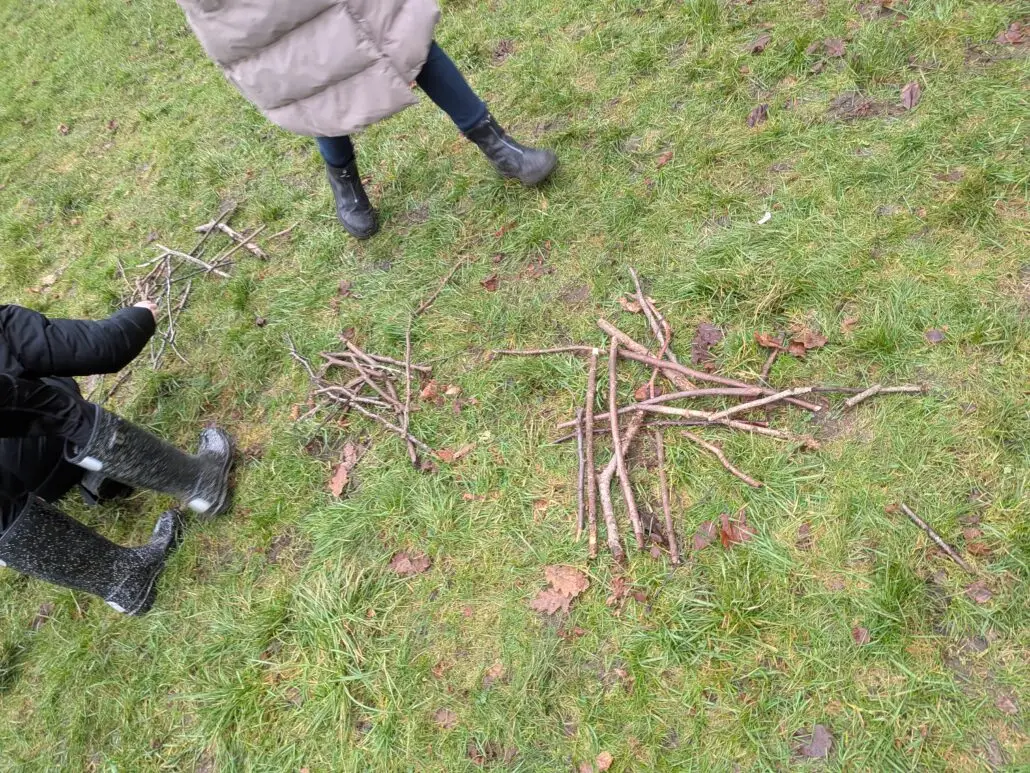
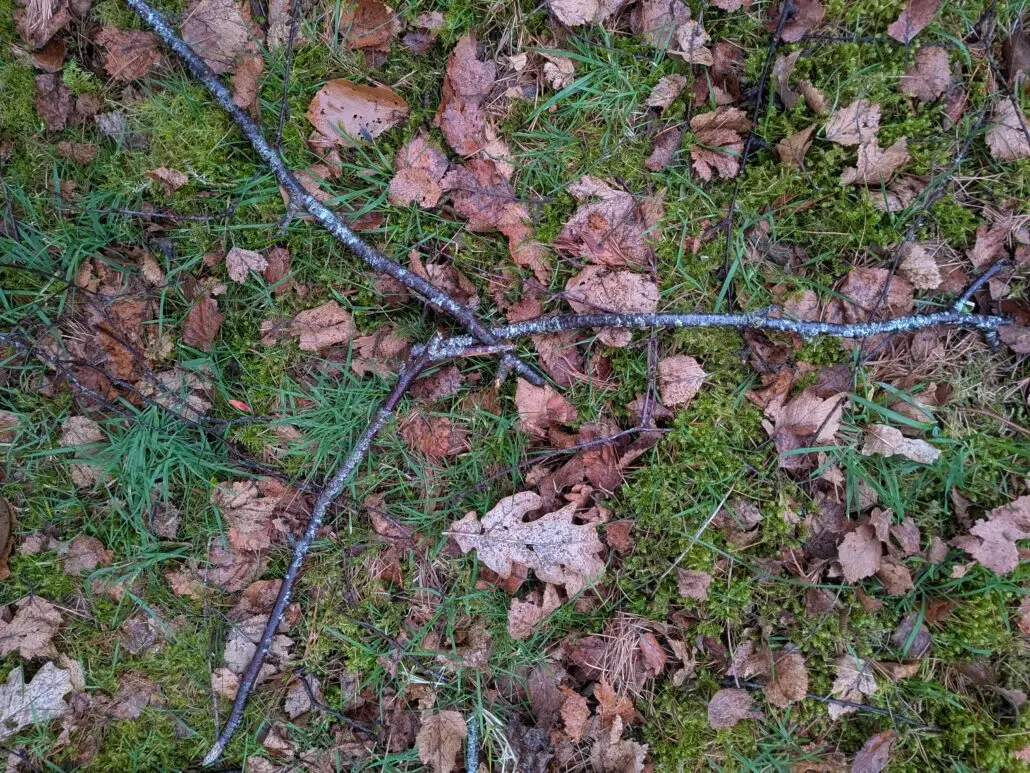
This morning, I was at a school, training the teachers while working with the classes. The first class was middle to upper primary and wished to cover fractions. They were just starting the topic with me, so I came in below where we would expect. I had every child collect a small handful of sticks and then, as a whole class, silently organise the total number of sticks into thirds. They headed off confidently from the few trees to the path and started laying the sticks out in threes. The teacher and I stood back, observing. Not interfering. At times, some kids were trying to lead, and others were content to follow. Often, those leading and taking key roles were not the children who naturally shine in the classroom, but instead can struggle with “traditional learning.” We asked, how many sticks per third? And the children quickly realised that they could not answer this. This is when the learning got interesting. Some children created a rectangle with three parts, and others created the lines you would have for thirds in a circle. They motioned for the other children to do the same. Then we posed the question, does this allow us to answer the question of how many, or is there something else we need to do? The children stood, looked, thought, then went back into their small groups. Two quiet girls stood watching, thinking, then started collecting the sticks and putting them into three equal groups. But, still, we had another two groups now creating tally marks, but not moving towards the answer. I paused the pupils and said one group has it right, two do not. Slowly, you could see the penny drop, and they started collecting sticks and placing them into the three piles. But we still had a problem, the piles were not equal. I paused and asked, “What is the important thing to remember with fractions”? The children realised they had to be equal. But only one started counting, with the others dropping sticks all around. As staff, we could see she was really struggling to get the children to pay attention to her. So, we paused and gave her the stage. Allowing her to talk and explain her thinking. Then the magic started happening, and three equal groups were forming.
What became clear through this activity was that the children revealed several common misunderstandings about fractions. What was important for the teacher was that they realised that had the children been inside, doing this on worksheets, they would have got those answers incorrect, and the misunderstandings would have continued.
Some immediately began creating shapes such as rectangles or lines like the diagrams they had seen in books, suggesting they understood fractions as something you draw rather than as equal parts of a quantity. Others began forming three piles of sticks but did not initially consider that the groups needed to be equal, showing that while they recognised the idea of “three parts,” the concept of equal parts of a whole had not yet fully formed. When asked how many sticks were in each third, the children realised they could not answer because they had not yet established what the whole was.
Even once piles began to form, most children relied on visual judgement rather than counting, with only one pupil beginning to count to check whether the groups were equal. This revealed another gap — that counting is the strategy that allows us to verify equality. Interestingly, the pupil who recognised this first struggled to get others to listen until she was given the space to explain her thinking, at which point the rest of the class began to understand, and three equal groups finally formed.
Now, if you are like me, you might be wondering why I got the children to do this silently. Not talking allowed a chance for both the most and least confident children to play an active role. It also meant the child with the loudest voice did not get to dominate. Finally, it meant they had to share their thinking clearly, considering how to do so without words. It helped show a depth to their understanding.
What this activity revealed was not simply whether the children could complete a task, but how they were thinking about fractions. It exposed the difference between recognising a familiar diagram and truly understanding what a fraction represents. The same thing happened later in the morning with a completely different concept.
Time Marches On
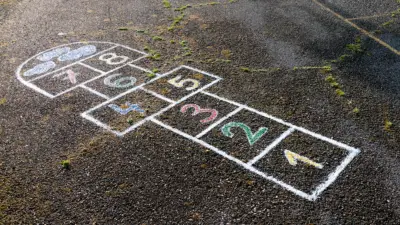
Then we took a group of year twos into the concrete playground. They were to have time introduced to them. We expected them to know where the numbers on the clock go and know o’clock and half past.
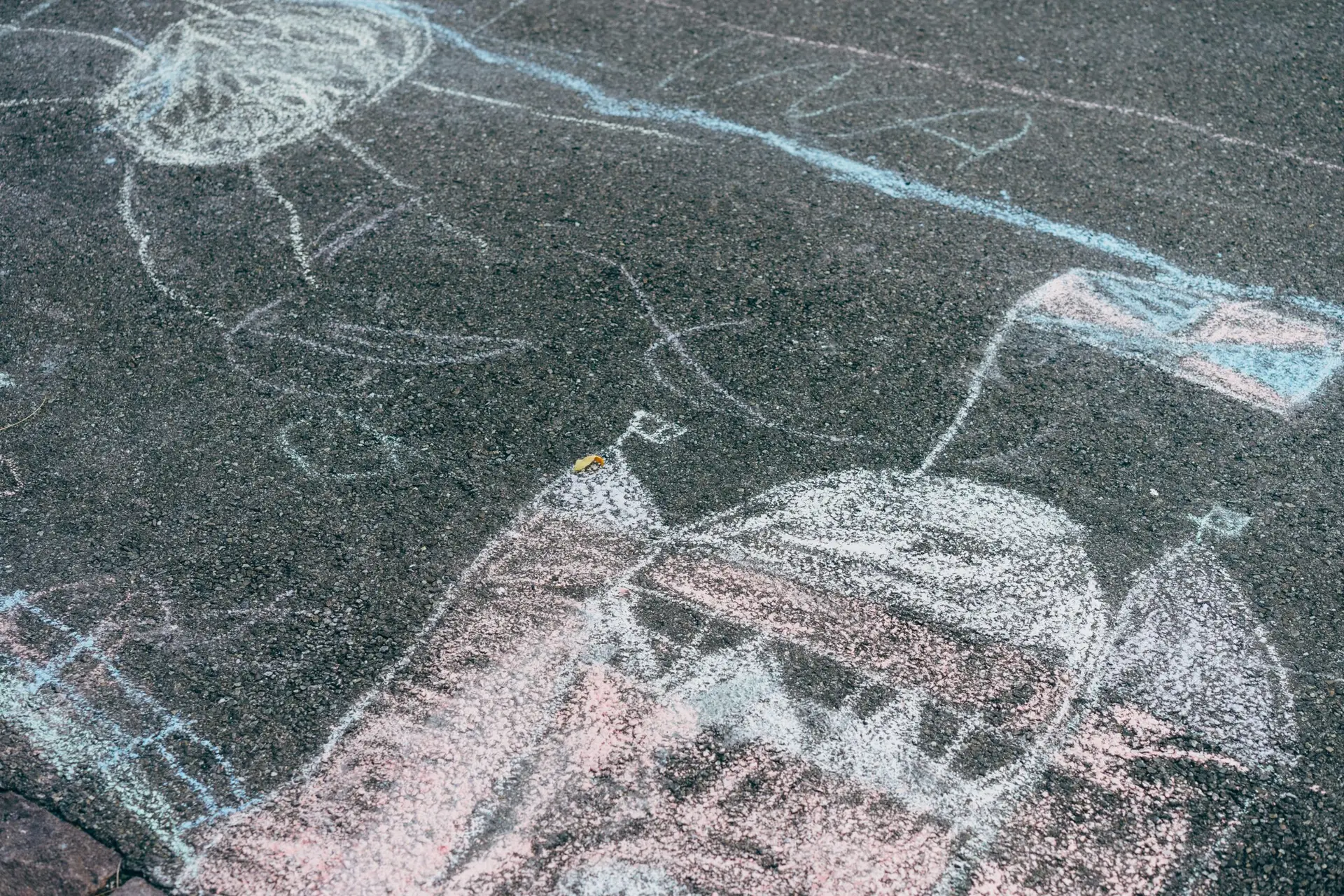
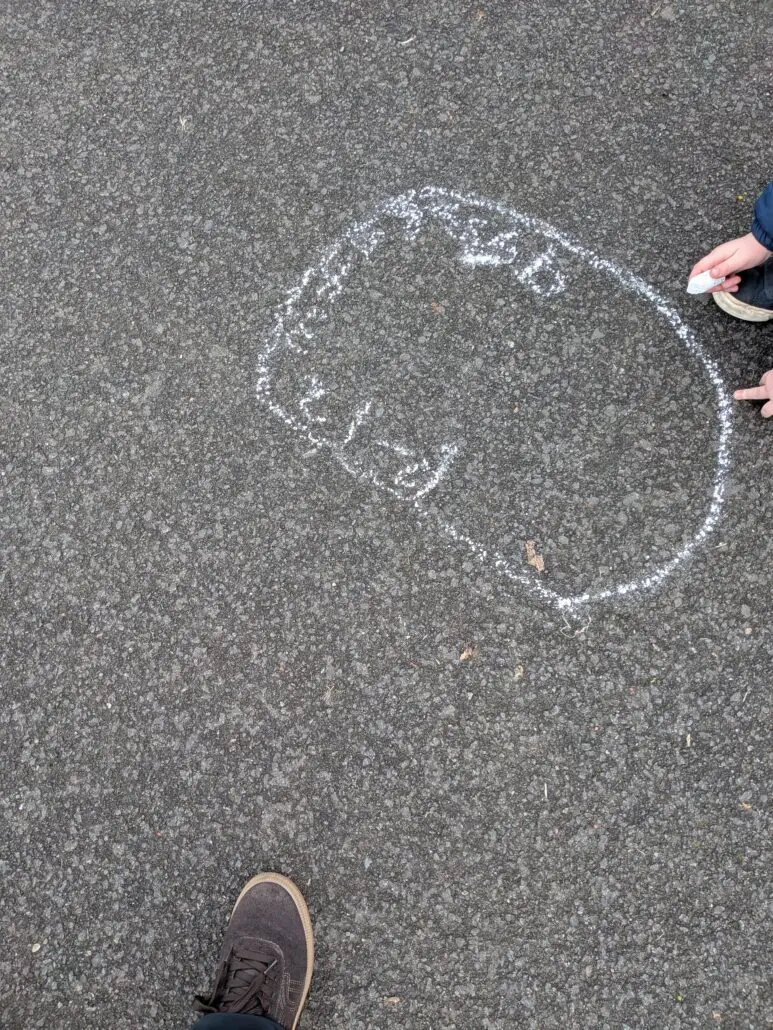
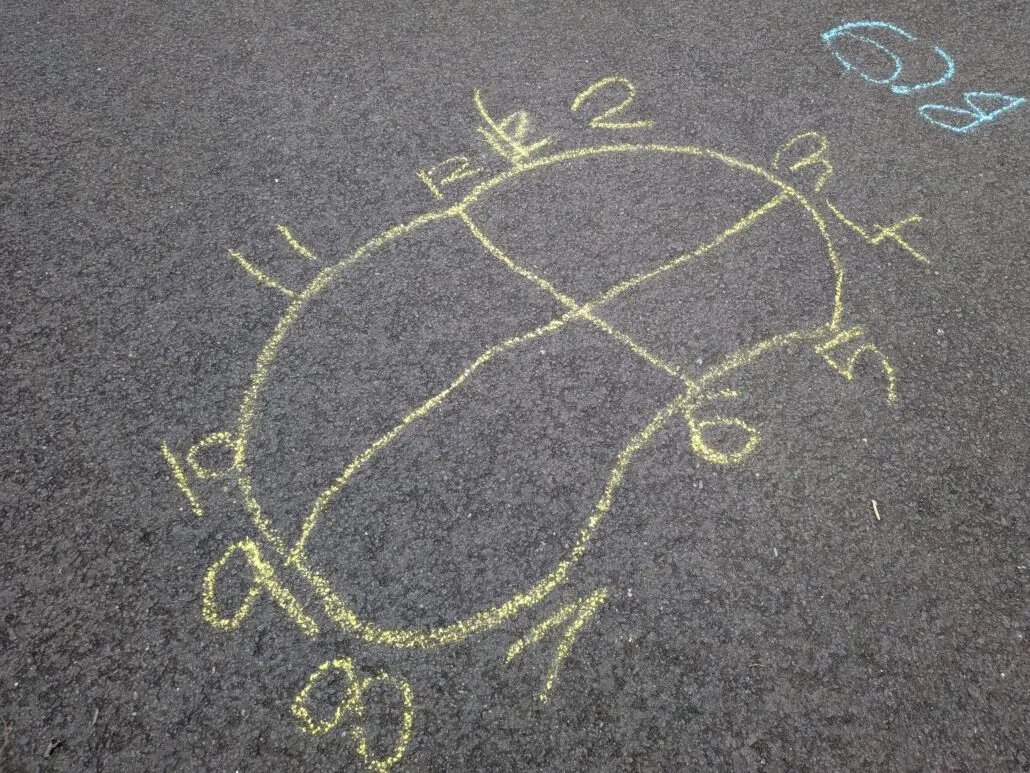
The children self-selected groups of two or three and were given chalk and asked to draw an analogue clock face, so we could get started. They went off, and we saw clocks with the numbers only on half the side, others with numbers randomly placed and others that were struggling to put numbers down.
This activity revealed several misunderstandings and gaps in the children’s understanding of time and analogue clocks. Although the expectation was that they would already know where the numbers go on a clock face, many children showed that this knowledge was not yet secure.
Some placed the numbers only on one side of the clock, suggesting they did not yet understand that the numbers must be evenly distributed around the entire circle. Others placed numbers randomly, indicating that they had not internalised the fixed order and spatial positioning of the numbers on a clock face. A few children struggled to place numbers at all, showing that the connection between number sequence and the structure of the clock was not yet clear.
This also links closely to understanding fractions of the clock. Recognising where the numbers sit helps children see that the clock can be divided into equal sections, which is essential for understanding ideas such as half past and quarter past or quarter to. Without that sense of equal spacing and structure, it becomes difficult for children to visualise that half a turn of the clock represents thirty minutes or that a quarter turn represents fifteen minutes.
The activity, therefore, revealed that some children were not yet ready to apply ideas such as o’clock, half past or quarter past because the underlying understanding of how the clock is organised into equal parts had not yet developed.
Again, the teacher had to go back to their plans for learning and adjust to ensure the children secure the knowledge.
Creative Creatures
The final example revealed a different type of gap in learning.
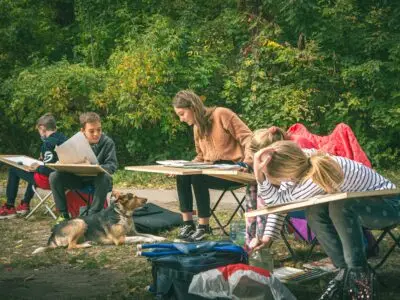
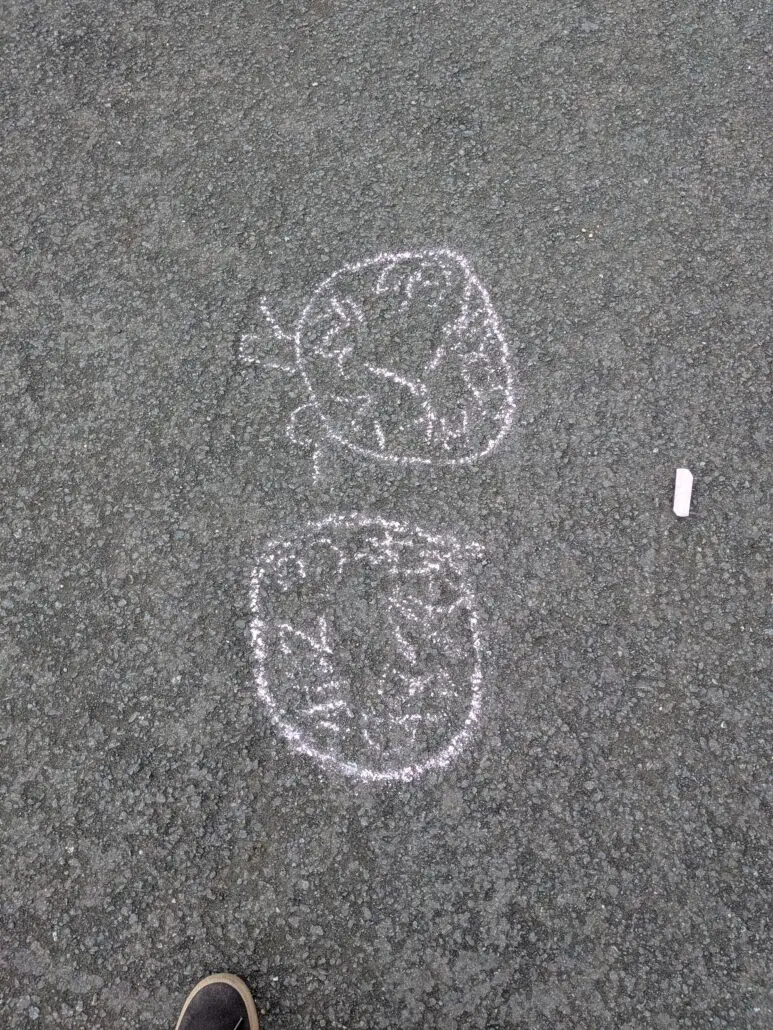
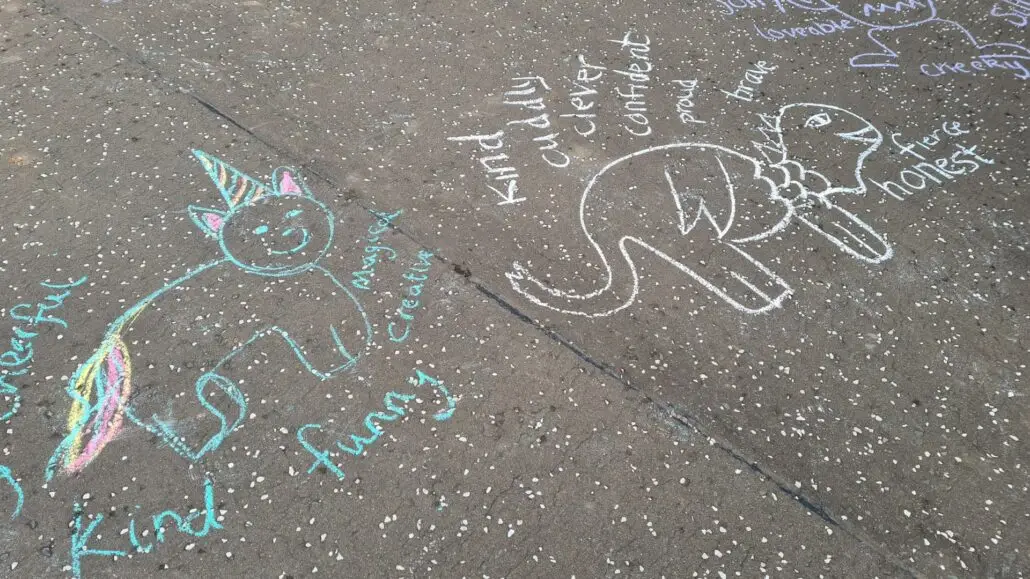
A group of older pupils had previously been outside creating imaginative creatures using loose parts found around the school grounds. Once their creatures were built, they were asked to develop them further by considering their physical attributes, personalities, and other characteristics. These were able pupils at the very top end of the school, yet when I asked how this differed from simply drawing a creature on paper, their responses were revealing.
Several explained that being outdoors allowed them to add more detail, think more deeply and even think differently about their creations. What this suggested was that many pupils are used to creative tasks that are relatively constrained, where ideas are generated quickly and then fixed on paper. The loose parts and open-ended environment allowed their thinking to evolve as they worked, prompting them to adapt, expand and refine their ideas in ways they might not normally do. In this case, the gap was not in ability but in opportunity: pupils had not always been given the time, space, or materials to develop ideas beyond the first thought. The outdoor environment exposed this and allowed their thinking to deepen in ways that a traditional classroom task may not have revealed.
Not in Isolation
This is not something unique to one school or one group of children. Having worked with hundreds, it is something I see again and again. The reality is that this is a symptom of the system many teachers are working within. There is a huge amount of learning that needs to be covered, and the pressure to move through content can mean that pupils encounter ideas but do not always have the time or experiences needed to develop deep understanding. As a result, gaps and misconceptions can remain hidden until children are asked to apply their learning in unfamiliar ways.
What we saw that morning was not an isolated issue but something we see regularly across many schools. The children had encountered the concepts before, but the outdoor activities revealed where understanding was still developing. Rather than being a criticism of teachers or schools, it is a reminder of how valuable it can be to create learning experiences that allow children to explore ideas in diverse ways and allow practitioners to see what pupils truly understand.
Why This Matters
What made these activities so powerful was not that they were complicated. In fact, they were remarkably simple. Sticks, chalk, and loose parts. What made them powerful was that they required children to apply their understanding rather than reproduce it.
When children are asked to complete a worksheet or follow a familiar structure, which we need to do at times (I do recognise this), they can often rely on memory or pattern recognition. They know what the answer should look like, even if they do not fully understand why. When learning moves into a practical, open environment, those shortcuts disappear. Children must think, test ideas, explain their reasoning and adapt when something does not work. It is in those moments that misconceptions surface and understanding deepens.
This is where breadth and depth truly meet. Breadth is not about racing through more content, and depth is not simply about spending longer on the same task. It is about creating learning experiences rich enough that children can explore concepts from different angles, apply them in unfamiliar contexts and reveal what they genuinely understand.
And this here, this is one of the reasons I love outdoor learning. Being outdoors is powerful because it naturally lends itself to exploration, collaboration and problem-solving. It gets children thinking, communicating, and working in diverse ways.
Often, the children who struggle indoors suddenly start leading the learning — and can even show a deeper understanding of it. It may take them longer to understand a concept, but this is often because they need to fit it in with prior learning and understand the workings of it at a far deeper level, to enable them to do the work.
Outdoor learning offers more though, it allows teachers to step back, observe and see children’s thinking unfold in real time. And when we can see that thinking clearly — the misunderstandings, the partial knowledge, and the breakthroughs — we are far better placed to support children in building the strong foundations that future learning depends on.
Outdoor learning does not replace classroom learning, but it gives us something invaluable: the chance to see children’s thinking in the open.