Celebrated every year on July 10th, Don’t Step on a Bee Day is a reminder of the vital role bees play in our ecosystems. Bees are incredible pollinators, responsible for helping many of the fruits, vegetables, and flowers we rely on grow. Unfortunately, bee populations are declining due to habitat loss, pesticides, and climate change. This day is a perfect opportunity to help children learn about bees, understand their importance, and take action to protect them. Here are some engaging activities that foster connection, curiosity, and care for our buzzing friends.
1. Build a Bee Watering Station
Bees need water just like any other creature, but they can’t land on open water without the risk of drowning. Help children create a bee-friendly watering station by filling a shallow dish with water and adding pebbles, marbles or small stones for bees to land on. Place the dish in a sunny, sheltered spot in the garden or playground.
This is a great way to encourage children to observe bees up close and helps them understand the importance of providing resources for wildlife.
2. Flower Hunt: How Bees See the World
Take children on a flower hunt to explore how bees see colours differently from humans.
Bees see the world in a completely different way from humans, thanks to their unique vision. While humans perceive colours through three types of photoreceptors—red, green, and blue—bees have photoreceptors for blue, green, and ultraviolet (UV) light. This means that bees cannot see red but can detect UV patterns on flowers, which are invisible to us. Many flowers have special UV markings, known as nectar guides, that direct bees toward the nectar-rich centre. These patterns act like landing strips, making it easier for bees to find food.
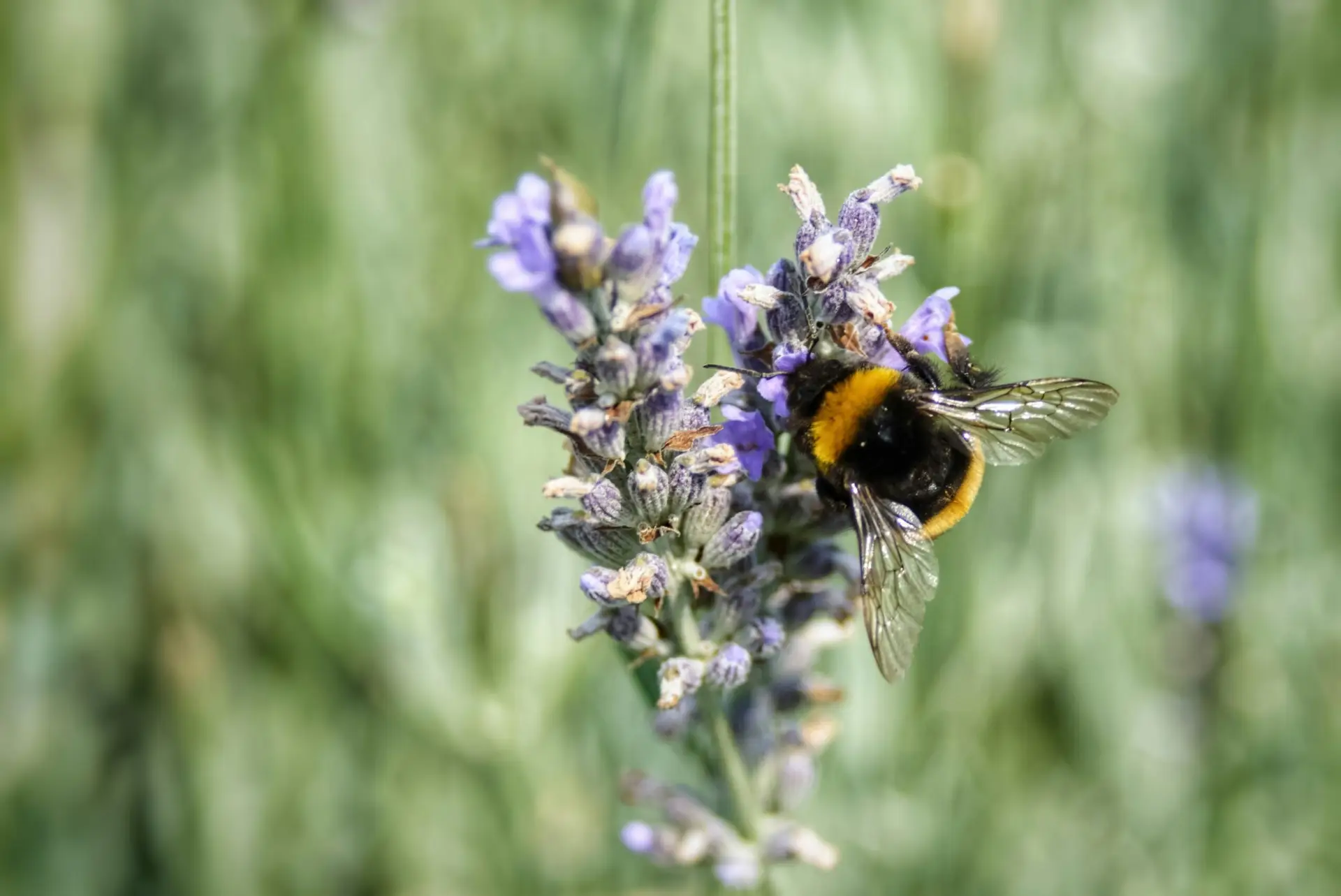
Bees are most attracted to flowers in shades of blue, purple, violet, and yellow. These colours stand out to bees because they align with their colour vision, which includes green, blue, and ultraviolet (UV) light. Flowers with ultraviolet patterns, even if they appear white or pale to us, are especially appealing to bees because UV markings act as nectar guides, directing them toward the nectar source. While bees cannot see red, they may still visit red flowers if they contain UV patterns or produce a strong scent. By planting a variety of blue, purple, yellow, and UV-reflective flowers, we can create an inviting environment for bees and other pollinators.
By understanding how bees see, we gain insight into the fascinating relationship between flowers and pollinators, showing how nature has evolved to ensure the survival of both plants and bees.
Encourage them to look for brightly coloured flowers and notice patterns they might not have seen before.
This is a great lesson for all ages as many adults, never mind children, know this about bees. It teaches about the science of light and colour while enhancing observation skills and curiosity.
3. Exploring Solitary Bees
Unlike honeybees, many species of bees are solitary and don’t live in hives. Introduce children to solitary bees, such as mason bees and leafcutter bees, by showing them pictures or videos of these fascinating creatures. You can often find solitary bee homes at the edges of fields.
To spot solitary bees at the edges of fields, look closely at areas with plenty of wildflowers or patches of bare soil. Solitary bees, such as mining bees and leafcutter bees, don’t live in large colonies like honeybees; instead, they nest individually in small holes in the ground, old wood, or plant stems. Early in the morning, you might notice them emerging from their nests or hovering near flowers as they begin foraging. Watch for small bees with different behaviours—mining bees often dig into soil at the base of plants, while leafcutter bees can be seen carrying small pieces of leaves back to their nests. Staying still and observing quietly will increase your chances of spotting these fascinating, often overlooked pollinators in action.
You can have the children sit quietly for a while and see if they can spot any small holes in the ground. If they do, there is a chance a solitary bee may live there. Sit quietly and observe these bees in action and note how they differ from honeybees.
This is great as it highlights the diversity of bee species and encourages children to think about how different animals meet their needs.
Connection Tip: Talk about how solitary bees are important pollinators and how providing habitats helps them thrive.
4. Bee Identification Walk
Take children on a bee identification walk around the school grounds or a local green space. Provide them with simple identification sheets featuring common bees, such as honeybees, bumblebees, and solitary bees. Encourage them to observe carefully and note the different types they spot.
Staffordshire Wildlife trust have a handy bee sheet.
5. Bee Dance Game
Teach children about the honeybee waggle dance, a unique way bees communicate the location of food to their hive mates. Have them create their own dances to mimic how bees share directions. Use a simple map or marked areas to represent different flower patches, and challenge children to guide each other using only their bee dances.
This lesson reinforces understanding of bee behaviour while supporting teamwork, creativity, and communication.
Additional Activities
- Honey tasting: Offer a honey tasting session and discuss how different types of flowers influence the flavour of honey. We deliver a bee workshop and I always find it surprising the number of adults and children who have never tasted honey.
- Pollination simulation: Use paper flowers and pom-poms to simulate how bees transfer pollen from one flower to another.
- Bee facts board: Create a display board with interesting bee facts and encourage children to contribute their own findings.
- Draw a bee’s life: Have children draw the life cycle of a bee, from egg to adult.
- Make seed bombs: Mix clay, compost, and wildflower seeds to create seed bombs for planting bee-friendly flowers.
Why Bees Matter
Bees are essential for the health of our ecosystems and food systems. They pollinate around 75% of the crops we eat, including fruits, vegetables, and nuts. Without bees, many of the foods we enjoy wouldn’t exist. By teaching children about the importance of bees and how to protect them, we inspire a new generation to care for the natural world. Don’t Step on a Bee Day is a reminder that even the smallest actions—like planting a flower or providing water—can make a big difference.
This Don’t Step on a Bee Day, let’s create a buzz about pollinators by getting outside, learning about bees, and taking action to protect them. Whether by building bee hotels, planting wildflowers, or simply observing bees in the garden, we can help children build a lifelong connection to nature and understand the vital role these tiny creatures play in our world.