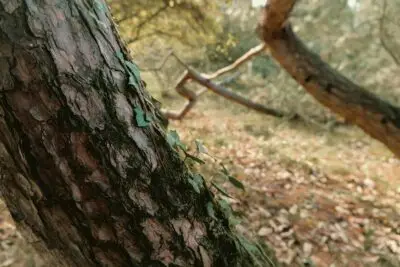
FSC Forest Week is an annual celebration dedicated to raising awareness about responsible forest management and the importance of forests in our lives. Forests provide oxygen, store carbon, support biodiversity, and offer a space for recreation, learning, and connection. This week is the perfect time to help children explore forests, understand their value, and learn how they can play a part in protecting these vital ecosystems. Through outdoor learning, we can foster a deeper appreciation for forests and encourage children to become future stewards of nature.
The UK Rainforest
The United Kingdom is home to rare temperate rainforests, also known as Atlantic or Celtic rainforests. These lush, moss-covered woodlands thrive in the UK’s wet and mild climate, primarily along the western coasts of Scotland, Wales, and England. Once covering vast areas, these rainforests now occupy less than 1% of the UK due to centuries of land use changes.
In Scotland, these temperate rainforests are predominantly found along the west coast, in regions such as Argyll and the West Highlands. Characterised by high rainfall and mild temperatures, these areas support a rich diversity of flora and fauna, including ancient oak, ash, birch, hazel, and Scots pine trees. The humid conditions foster an abundance of mosses, liverworts, lichens, fungi, and ferns, some of which are rare and internationally significant.
Despite their ecological importance, Scotland’s rainforests face threats from overgrazing, invasive species like Rhododendron ponticum, and climate change (notice similar themes to the Amazon?). Conservation efforts are underway to protect and restore these unique habitats. Organisations such as the Alliance for Scotland’s Rainforest are actively working to safeguard and expand these woodlands, ensuring they continue to provide vital ecosystem services and habitats for future generations.
Scotland is home to a diverse range of forest types, each with its own unique characteristics and ecological significance.
Other Scottish Forests
1. Ancient Caledonian Pine Forest
These ancient woodlands are remnants of a once vast forest that covered much of Scotland after the last Ice Age. They primarily consist of Scots pine, birch, rowan, aspen, and juniper trees. The Caledonian forests are rich in biodiversity, supporting species such as red squirrels, pine martens, and capercaillie.
Key locations:
Glen Affric, Rothiemurchus, and Abernethy Forest.
2. Broadleaf Woodland
Broadleaf woodlands in Scotland include trees such as oak, ash, beech, birch, and hazel. These forests are particularly important for wildlife, providing habitats for various birds, insects, and mammals. Many broadleaf woodlands are ancient and have been present for hundreds, if not thousands, of years.
Key locations:
Taynish National Nature Reserve, Loch Lomond and The Trossachs National Park.
3. Mixed Conifer Forest
These forests are largely man-made and consist of a mix of native and non-native conifers such as Sitka spruce, Douglas fir, and larch. While they are primarily used for timber production, they also provide habitats for wildlife and recreational opportunities.
Key locations:
Galloway Forest Park, Tweed Valley Forest Park.
4. Riparian Woodland
These woodlands grow along rivers and streams, playing a crucial role in preventing erosion, filtering water, and providing shade for aquatic life. Common species found in riparian woodlands include willow, alder, and birch.
Key locations:
River Spey, River Tay, and River Dee corridors.
5. Montane Scrub
Montane scrub forests are found at high altitudes, where conditions are too harsh for taller trees. These forests consist of hardy shrubs and low-growing trees like dwarf birch, juniper, and willow. They are important for preventing soil erosion and supporting specialised wildlife.
Key locations:
Cairngorms National Park, Ben Nevis range.
6. Urban Woodlands
Scotland’s cities and towns often have managed woodlands and green spaces that provide vital recreational areas for local communities. These forests improve air quality, reduce urban heat, and support local biodiversity.
Key locations:
Pollok Country Park in Glasgow, Holyrood Park in Edinburgh.
Scotland’s diverse forests not only offer beautiful landscapes but also play a crucial role in supporting biodiversity, regulating the climate, and providing economic and recreational benefits. Many of these forests are protected and managed through national parks and conservation initiatives to ensure they remain vibrant ecosystems for future generations.
1. Leaf Detective
Take children on a walk through a local forest or wooded area, and challenge them to collect different types of leaves. Provide a simple guide or sheet to help them identify the trees they come from. Encourage them to observe the shape, colour, and texture of each leaf, and note what makes each tree unique.
This is a great way to develop observation and identification skills while helping children learn about tree species and forest biodiversity.
2. Build a Mini Forest Ecosystem
Using a clear container, soil, small plants, moss, and stones, help children build a terrarium that mimics a forest ecosystem. Explain how the plants inside create their own mini-environment by cycling water and oxygen.
This teaches children about ecosystems and how forests function while providing a lasting project they can care for over time.
3. Forest Scavenger Hunt
Create a scavenger hunt with a list of forest-related items, such as acorns, pinecones, animal tracks, mushrooms (no touching!), and specific tree leaves. Children can work in pairs or small groups to find as many items as they can.
Connection Tip: After the scavenger hunt, gather the children and discuss what they found. Highlight the importance of biodiversity in a healthy forest.
4. Forest Art and Storytelling
Invite children to create nature-inspired art using materials they find in the forest, such as sticks, leaves, and stones. Once they’ve completed their artwork, encourage them to invent stories about the forest, its creatures, or the seasons.
This is great as it encourages creativity and storytelling while helping children connect emotionally with the forest environment.
5. Make a Forest Pledge
Gather the children and discuss how forests are essential for life on Earth. Encourage them to think about what they can do to help protect forests, such as reducing paper waste, choosing FSC-certified products, or planting trees. Have each child write or draw their own forest pledge and display them as a reminder of their commitment.
This is simple but helps children feel empowered to make a difference.
Additional Activitiesl
- Tree hugging: Encourage children to hug a tree and notice how it feels—smooth, rough, warm, or cool.
- Bark rubbing: Use paper and crayons to make bark rubbings and compare textures from different trees.
- Nature journalling: Have children sketch or write about what they see, hear, and feel in the forest.
- Forest breathing: Lead a mindful breathing exercise where children focus on the fresh, forest-scented air.
- Seed sorting: Collect seeds from the forest floor and sort them by shape, size, or type.
Why Forests Matter
Forests are one of the Earth’s most important resources, providing habitat for wildlife, regulating the climate, and offering countless benefits to people. Responsible forest management, as promoted by the FSC (Forest Stewardship Council), ensures that forests can continue to provide these vital services without being depleted. By teaching children about forests and how they can help protect them, we foster a generation that values sustainability and takes action to protect the planet.
This FSC Forest Week, let’s encourage children to explore, learn, and connect with forests. Whether by identifying leaves, creating forest art, or making pledges to protect trees, these activities help children develop a lifelong respect for nature. Let’s inspire young minds to see forests not just as places to visit, but as ecosystems to cherish and protect.