Soundscapes of the World: Connecting Schools Through Listening
What does your place sound like?
Not look like. Not feel like. Sound like.
That was the question at the heart of Soundscapes of the World, an international learning project that brought together schools from different countries to explore their local environments through listening, creativity and cultural exchange.
Working alongside Dr Sharon Toner-Saunders from the University of Dundee and Gary Jamieson from V&A Dundee, I had the privilege of supporting schools as they explored the concept of soundscapes – the unique collection of sounds that make up a place and help tell its story.
Listening to Place
When we think about how we explore the world, sight is often the sense that we consider front and foremost. But, sound can reveal just as much – if not more. It helps build a wider context and connections that we may not be able to see right in front of us.
Through outdoor learning activities, pupils spent time listening carefully to the environments around them. They recorded natural sounds and noticed human activity. They discussed what different sounds meant to them, and reflected on how sound shapes their experience of place.
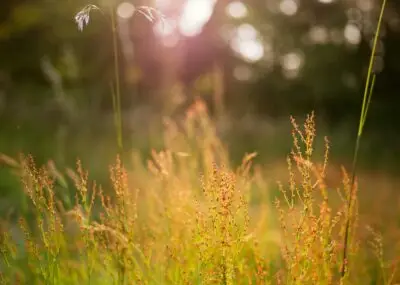
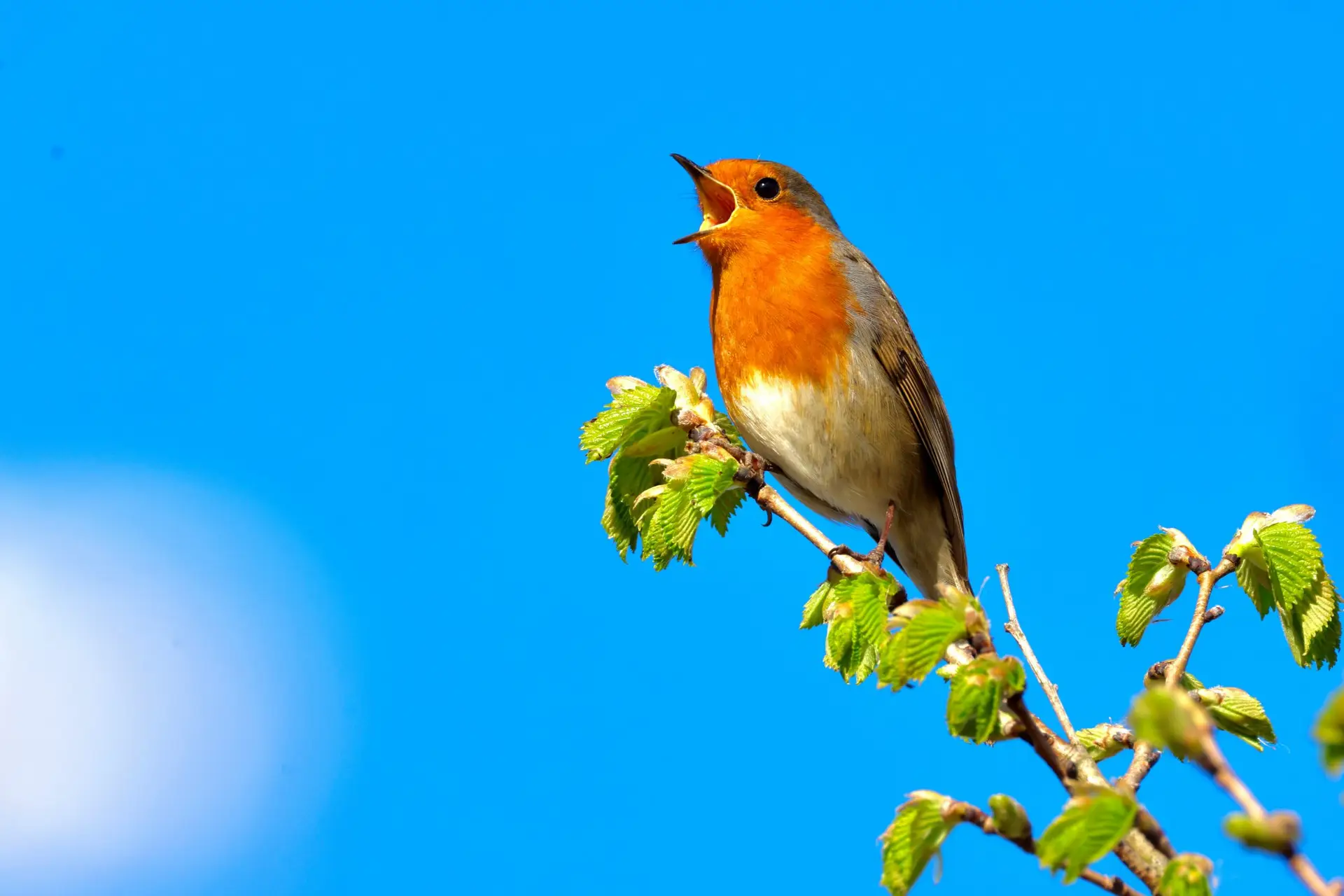
Some soundscapes featured birdsong, wind through trees, flowing water, and running footsteps. Others captured urban environments with busy roads, machinery, voices and music.
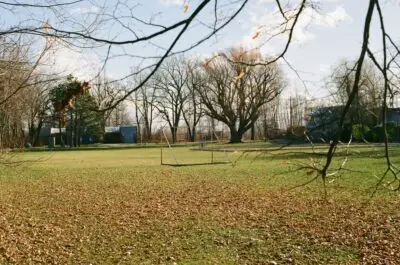
Together, these sounds painted rich pictures of communities across the world. What we saw was a picture of the schools outdoors space. What we heard was how that school fit into their wider community. We learned so much more thanks to the sounds.
Learning Across Cultures
One of the most powerful aspects of the project was the opportunity for intercultural learning. We had schools from Scotland, USA, India, Latvia, Romania, Croatia, Poland, Greece, England, and, Australia.
By sharing their soundscapes with schools in other countries, pupils discovered both similarities and differences in the places people call home. A sound that felt ordinary in one location could be fascinating or surprising to listeners elsewhere. Children were often amazed by what others considered unusual. Sounds they barely noticed in their own daily lives became sources of curiosity and discussion when shared with pupils on the other side of the world.
The project encouraged children to think about questions such as:
- What sounds are unique to our community?
- What sounds are shared across different places?
- How do sounds influence how we feel about a place?
- What can sound tell us about culture, identity and belonging?
These conversations helped pupils develop curiosity, empathy and a deeper understanding of the wider world.
Creativity Through Sound
The learning extended beyond listening.
Schools responded creatively through art, design and expressive arts activities, transforming their listening experiences into visual and creative representations. Pupils explored ways to communicate the character of their local soundscapes and share these with others.
The resulting work demonstrated not only creativity but also careful observation, reflection and connection to place.
Bring Soundscapes to Your School
One of the things I loved most about this project was how accessible it was.
You don’t need a special outdoor space, expensive equipment, or hours of preparation. Every school already has something unique to explore – its own soundscape.
Whether you’re in the heart of a city, beside the sea, in a village, or surrounded by countryside, your learners can discover what makes their place distinctive simply by slowing down and listening.
Soundscape activities can spark discussions about nature, community, wellbeing, geography, creativity, and environmental change. They encourage learners to notice details they would normally walk past and help them build a deeper connection with the places they spend time in every day.
If you’d like to try Soundscapes with your own learners, we’ve included the lesson below. It can be adapted for different ages and stages and works equally well as a standalone activity or as part of a wider outdoor learning project.
I’d love to hear how you get on if you decide to give it a go.
A Celebration at V&A Dundee
The culmination of the project saw pupils’ work showcased at V&A Dundee, where visitors had the opportunity to explore soundscapes from around the world and experience the diverse ways children had interpreted and represented their environments.
Many of the children from Scottish schools came together, joined online by school children from around the world. It was amazing to see how they all supported each other.
Seeing the work displayed in such a significant cultural venue was a powerful reminder that children’s voices, observations and experiences matter. Their creative responses offered unique insights into the places they live and the sounds that shape their daily lives.
The V&A holds such a strong reputation that children from around the world said they were honoured to have their work shown there. Watching children from different countries meet, share, ask questions and celebrate each other’s work was one of those rare moments that reminds you just how powerful education can be.
Why Sound Matters
In a world that often feels busy and fast-paced, taking time to listen can be a surprisingly powerful act.
Projects like Soundscapes of the World remind us that outdoor learning is not only about what we can see. It is about developing awareness, curiosity and connection. By slowing down and listening carefully, children can discover new layers of meaning in familiar places and gain a deeper appreciation of both their own communities and those of others.
The project demonstrated how outdoor learning, creativity and intercultural exchange can come together to create meaningful learning experiences that stay with young people long after the activities themselves have ended.
A huge thank you goes to all of the schools, teachers and pupils who took part and shared their worlds through sound. The creativity, care and thoughtfulness shown throughout the project made it a joy to be involved.
Sometimes, the most powerful learning begins simply by listening.