Woodland holds a powerful place in the story of outdoor learning.
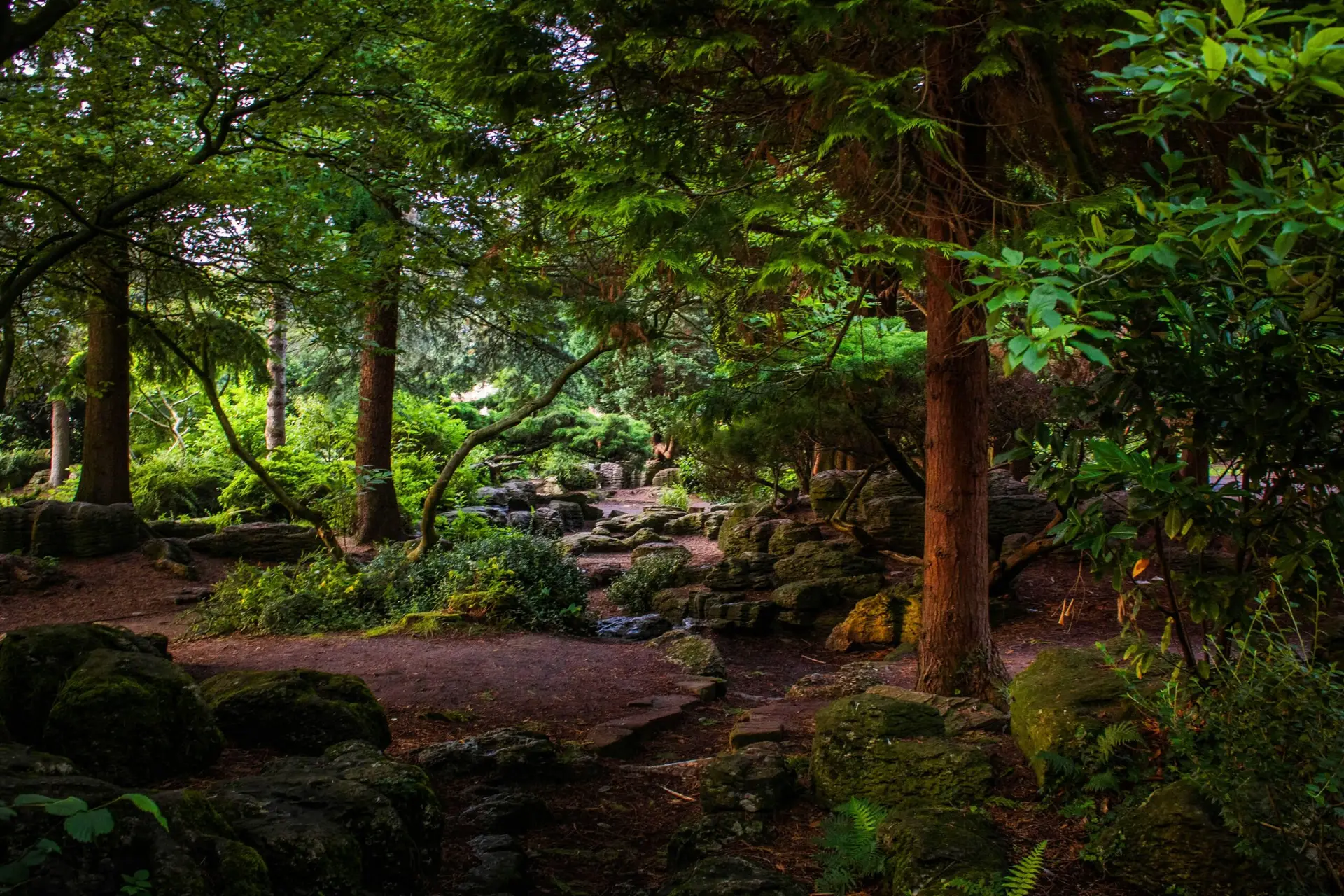
For many people, it represents freedom, imagination, and a return to something more natural. It is often the image that appears first, trees, logs, leaf litter, space to roam. For some schools, woodland access is a real and regular part of their practice.
For others, it sits just out of reach.
Because of this, woodland has quietly become a benchmark. The place outdoor learning is assumed to be at its best. And that assumption deserves careful examination.
What woodland genuinely offers
Woodlands can be extraordinary learning environments.
They offer:
- immersion in a complex ecosystem
- rich opportunities for imaginative play and storytelling
- natural materials that invite creativity and problem-solving
- space for movement, exploration, and risk negotiation
- powerful experiences of awe, calm, and curiosity
For some children, woodland feels expansive and regulating. It allows them to breathe differently, move differently, and think differently.
When used thoughtfully, woodland can support deep learning across science, literacy, expressive arts, and wellbeing.
None of that should be minimised.
What woodland also asks of schools
At the same time, woodland demands more than many other outdoor spaces.
It often requires:
- travel and transport
- additional staffing and supervision
- detailed risk assessments
- higher levels of adult vigilance
- time to orient children to unfamiliar terrain
For some learners, particularly those who experience sensory overload, anxiety, or mobility challenges, woodland can be overwhelming rather than freeing.
Uneven ground, unpredictable sounds, enclosed spaces, and the sheer density of sensory input can make learning harder, not easier.
This does not mean woodland is unsuitable, but it does mean it is not neutral.
When woodland becomes a hierarchy
Problems arise when woodland is treated as the gold standard of outdoor learning.
When that happens:
- schools without access feel they are doing something lesser
- playground-based practice is undervalued
- confidence is eroded rather than built
- outdoor learning becomes aspirational rather than embedded
Woodland is one context among many. It is not the destination outdoor learning must reach to be legitimate.
Outdoor learning quality is determined by intention, inclusion, and support, not by canopy cover.
A small but meaningful shift
One of the most helpful shifts schools can make with woodland learning is to treat it as a specific context with specific purposes, rather than a place to do “everything”.
That might mean:
- choosing woodland for particular kinds of learning
- limiting session length rather than overextending
- returning to the same small area instead of roaming widely
- being explicit about when woodland is the right space, and when it isn’t
This shift protects both learners and staff from overwhelm and allows woodland experiences to be more focused and effective.
What outdoor learning can actually look like in woodland
When woodland is used intentionally, it supports learning that benefits from immersion, imagination, and ecological richness.
Focused exploration rather than free roaming
Working within a defined area allows children to build familiarity and reduces cognitive load. Depth often emerges more readily than when space is treated as limitless.
Story, myth, and narrative work
Woodland lends itself naturally to storytelling, descriptive language, and imaginative play – particularly when linked to folklore, character, or place-based narratives.
Ecological observation
Woodland supports close study of life cycles, decomposition, habitats, and interdependence. Returning to the same spot strengthens scientific thinking and observation skills.
Risk awareness and judgement
Woodland environments offer real opportunities for children to practise noticing hazards, making decisions, and reflecting on consequences – with adult support.
Creative making with limits
Using natural materials thoughtfully – with clear boundaries – supports creativity without tipping into excess or waste.
Why this balance matters
Woodland experiences can be deeply meaningful. But they are not automatically inclusive, sustainable, or appropriate for all learners at all times.
When schools feel pressured to “do woodland” because it is seen as the pinnacle of outdoor learning, practice elsewhere can suffer.
When woodland is treated as one valuable context among many, it can be used with clarity and confidence – without overshadowing everything else.
Woodland is not what makes outdoor learning good
It is how thoughtfully the space is used, how well learners are supported, and how clearly the purpose is understood.
For some schools, woodland will be a central part of practice.
For others, it will be occasional.
For some, it may not be accessible at all.
All of those realities are valid.
Outdoor learning does not need a forest to be meaningful – but when a forest is available, it deserves to be used with care, intention, and honesty.