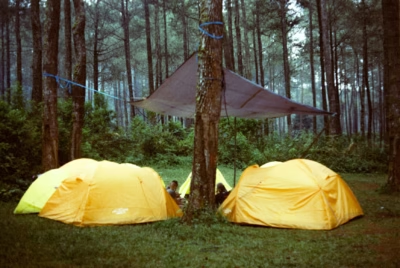
The Winter Solstice, occurring around December 21st, marks the shortest day and longest night of the year in the Northern Hemisphere. This ancient event has been celebrated for thousands of years by cultures around the world, often symbolising the return of the sun and the promise of longer, warmer days ahead. The Winter Solstice offers a wonderful opportunity to help children connect with the natural rhythms of the Earth, reflect on the changing seasons, and enjoy meaningful outdoor learning experiences.
Ancient Traditions
- Celtic Celebrations:
For ancient Celtic communities in Scotland, the solstice was a time to honour the cycle of life and nature. Fires were lit to symbolically bring back the sun, and gatherings often included feasting, storytelling, and rituals designed to ward off darkness and welcome the return of longer days. - Stone Alignments and Monuments:
Several ancient stone circles and monuments in Scotland are believed to be aligned with the solstice sun. One notable example is Callanish Standing Stones on the Isle of Lewis, which may have been used to mark important astronomical events, including the Winter Solstice. At sunrise on the solstice, the light creates striking alignments with the stones, suggesting that these ancient people had a deep understanding of the sun’s movements. - Norse Influence:
Scotland’s proximity to Scandinavia meant that Norse traditions also influenced local customs. The Norse celebrated Yule, a festival honouring the rebirth of the sun god and the return of longer days. Elements of Yule, such as lighting candles and decorating with evergreens, remain part of modern Christmas celebrations.
1. Candlelit Reflection Walk
Take children on a quiet, reflective walk outdoors as the sun gets low in the afternoon. Provide them with LED candles or lanterns to carry, symbolising light returning after the longest night. Encourage them to walk slowly, observe their surroundings, and think about things they’re grateful for as they move through the darkness.
This lesson promotes mindfulness and gratitude and encourages a sense of calm and reflection. But, more than that, it provides a magical way to experience nature during the darker months.
2. Create a Nature Sun Wheel
Gather natural materials like twigs, pinecones, leaves, and berries to create a large sun wheel, symbolising the cyclical nature of the seasons. Have children arrange the materials in a circular design on the ground, representing the sun and its return after the solstice.
The idea of seasons can feel abstract in a world where you spend all your time indoors. This lesson helps children understand the cycle of the seasons and connects children with the symbolism of light and life returning.
Connection Tip: Discuss how ancient cultures celebrated the solstice with sun wheels and how this symbol represented hope for brighter days.
3. Build a Shelter
Challenge children to build small shelters using sticks, leaves, and other natural materials. Explain that ancient people often built shelters to protect themselves from the harsh winter, and this activity helps them appreciate how people adapted to the changing seasons. This encourages problem-solving and teamwork and builds an understanding of historical survival skills.
Connection Tip: After the activity, talk about how modern technology has changed the way we experience winter, but nature still plays an important role in our lives.
4. Make Bird Feeders for the Returning Light
Help children create simple bird feeders using pinecones, peanut butter or lard, and birdseed. Hang the feeders in trees around the school grounds or local park to support wildlife through the cold winter months. Creating bird feeders in winter builds an understanding of how animals survive winter.
5. Storytelling by the Fire
Gather children around a fire pit (or use an indoor alternative if necessary) and share solstice stories from different cultures, such as Norse, Celtic, or Native American traditions. Encourage children to create their own winter stories inspired by the solstice and share them with the group.
The Cailleach and Bride: The Battle of Winter and Spring
Long ago, before the seasons as we know them existed, Scotland was ruled by the Cailleach, the ancient goddess of winter. She was a mighty and fearsome figure, with wild grey hair that blew in the icy wind and a staff that could freeze rivers and bring snowstorms with a single strike. Wherever she went, frost followed, and the land remained cold and barren under her rule.
The Cailleach loved the winter. She spent her time shaping Scotland’s rugged landscape, piling up stones to form mountains and striking the ground to freeze lochs and rivers. She ruled the land from Samhain (October 31st) until Imbolc (February 1st), when the days began to grow longer. But as winter drew to a close each year, the Cailleach knew her time was ending, and her power began to weaken.
As the legend goes, when spring was ready to return, Bride, the goddess of spring, would emerge. Bride was the bringer of warmth and light, carrying with her flowers, fresh breezes, and the promise of new life. As she made her way across the land, the snow and ice melted, and green shoots began to sprout from the earth. Animals that had hidden away during the long winter returned, and the air filled with birdsong.
The Cailleach, determined to keep her icy grip on the land, tried to fight back. She summoned fierce storms and cold winds to drive Bride away, but no matter how hard she tried, she could not stop the arrival of spring. As Bride’s warmth grew stronger, the Cailleach’s power faded. Eventually, the old goddess grew tired and retreated to her mountain cave, where she would sleep until it was time for her to awaken and bring winter back once more.
According to tradition, the Cailleach sleeps throughout the warmer months, turning to stone until Samhain, when she awakens and reclaims her place as the Queen of Winter. Bride, meanwhile, continues to reign through the spring and summer, ensuring that the land remains warm and full of life.
This ancient tale of the Cailleach and Bride represents the eternal cycle of the seasons—winter’s harsh reign giving way to the warmth and renewal of spring. Even today, the story reminds us that, no matter how long and cold the winter may seem, the light and life of spring will always return.
It is important that children learn the folklore of their lands, as otherwise, tradition is lost.
Connection Tip: Talk about how storytelling was a key part of winter solstice celebrations in ancient times, helping people feel connected during the darkest part of the year.
Additional Activities
- Make a sun catcher: Use craft materials to create sun catchers that reflect light, symbolising the return of the sun.
- Pinecone hunt: Go on a walk and collect pinecones, then use them for crafts or bird feeders.
- Solstice wishes: Have children write down their hopes for the coming year on slips of paper and place them in a special jar.
- Nature mandala: Create a simple mandala using natural items collected during a walk, symbolising balance and unity.
- Sunrise gathering: If possible, gather at sunrise the day after the solstice to welcome the returning light.
Why the Winter Solstice Matters
The Winter Solstice reminds us of the cyclical nature of life and the importance of slowing down, reflecting, and finding light in dark times. By engaging children in solstice-themed activities, we can help them build a deeper connection with the natural world and develop a sense of wonder for the changing seasons. These activities also encourage mindfulness, gratitude, and creativity—key elements for well-being.
This Winter Solstice, let’s honour the longest night and celebrate the promise of brighter days ahead. Whether through reflective walks, sun-inspired crafts, or storytelling by the fire, each activity offers an opportunity to connect more deeply with nature and each other. Together, we can help children appreciate the beauty of the seasons and the light that always follows the dark.